Introduction
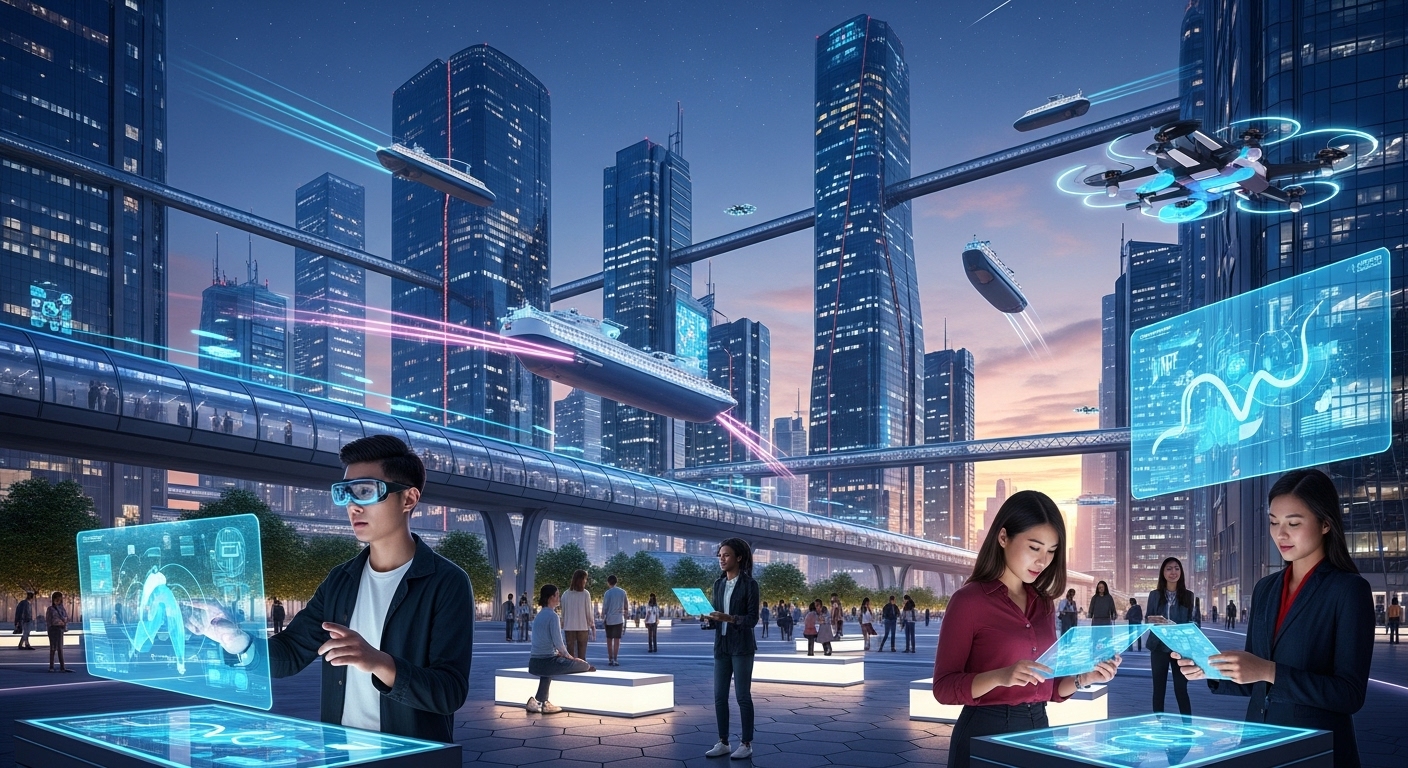
Technology has become the backbone of modern society, influencing nearly every aspect of human life. From communication and healthcare to education and entertainment, technological advancements have transformed how people live, work, and interact. What was once considered futuristic is now commonplace, demonstrating the rapid pace of innovation. This blog explores the profound impact of technology on daily life, the industries it has transformed, and the exciting possibilities that lie ahead.
The Digital Revolution and Everyday Life
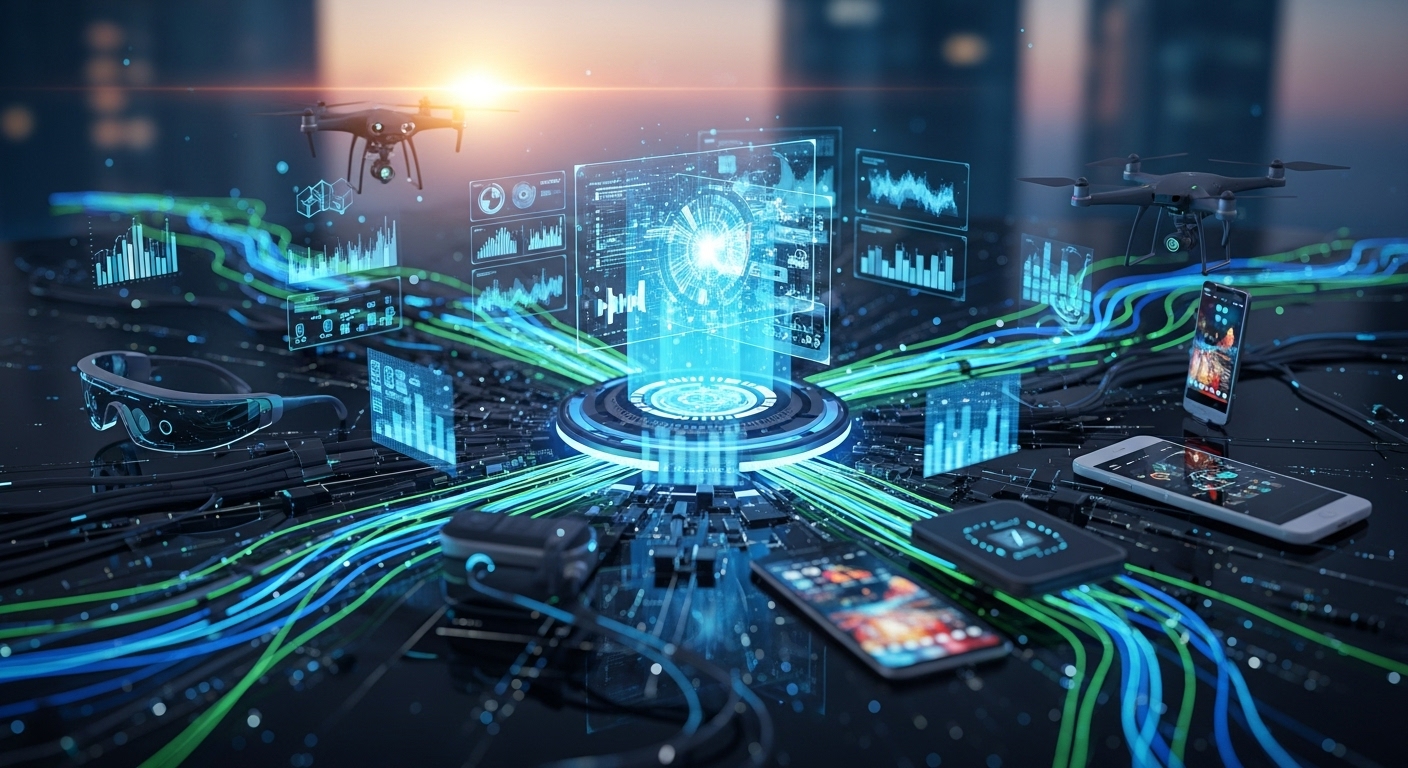
The digital revolution has redefined convenience, accessibility, and efficiency. Smartphones, wearable devices, and smart home systems have become integral to daily routines. Today, people can control their homes remotely, track their health metrics, manage finances, and communicate instantly across the globe. Applications in daily life are not limited to productivity; they also enhance leisure. Streaming entertainment, social media, and mobile gaming are all powered by technology. The digital revolution has created a society where information is at our fingertips, and interaction happens in real time, making life more connected and efficient.
Artificial Intelligence: The Brain Behind Modern Machines
Artificial Intelligence (AI) has emerged as a driving force behind innovation. AI systems can analyze vast amounts of data, identify patterns, and make decisions with remarkable speed and accuracy. In healthcare, AI assists in diagnosing diseases, analyzing medical images, and developing treatment plans. In finance, it predicts market trends and detects fraudulent activity. AI also powers recommendation systems on digital platforms, personalizing user experiences. Its potential is virtually limitless, from autonomous vehicles to robotics, and it continues to redefine the boundaries between human intelligence and machine capabilities.
The Internet of Things: Connecting Everything
The Internet of Things (IoT) is creating a world where devices communicate seamlessly. Smart refrigerators monitor groceries, thermostats adjust temperatures automatically, and wearable devices track vital health metrics. Industrial applications are equally transformative, with sensors monitoring machinery, optimizing energy use, and reducing downtime. IoT enables smart cities, where traffic, lighting, and security systems operate efficiently and sustainably. By connecting the physical and digital worlds, IoT enhances convenience, safety, and productivity, shaping a more intelligent environment.
5G Technology and Hyperconnectivity
The rollout of 5G networks represents a major leap in communication technology. Compared to previous generations, 5G provides ultra-fast speeds, low latency, and the ability to connect millions of devices simultaneously. This technology empowers innovations such as autonomous vehicles, real-time remote surgeries, and advanced virtual and augmented reality experiences. Hyperconnectivity also enhances collaboration, enabling businesses and individuals to communicate and share data instantaneously. 5G is not merely about speed; it is about creating a foundation for a fully connected, intelligent world.
Cloud Computing: Transforming Data Storage and Access
Cloud computing has revolutionized the way businesses and individuals store and access data. By moving away from local storage, users can securely store large volumes of information and access it from anywhere in the world. Cloud platforms facilitate collaboration, remote work, and big data analytics. Businesses leverage cloud computing to scale operations efficiently and reduce costs, while AI applications and machine learning rely on cloud infrastructure for processing power. Cloud technology has become a critical foundation for modern innovation, enabling flexibility, accessibility, and efficiency.
Virtual Reality and Augmented Reality: Redefining Human Experience
Virtual Reality (VR) and Augmented Reality (AR) are transforming the way people interact with digital content. VR immerses users in fully digital environments, providing realistic simulations for gaming, training, and exploration. AR overlays digital information onto the real world, enhancing interaction with physical surroundings. These technologies are increasingly applied in education, retail, healthcare, and entertainment. Students can experience historical events in 3D, surgeons can practice complex procedures virtually, and shoppers can visualize products in their homes before purchase. VR and AR demonstrate how technology enhances both experience and understanding.
Robotics and Automation
Robotics and automation are changing industries and workplaces worldwide. Robots are no longer confined to manufacturing lines; they now perform tasks in healthcare, logistics, and domestic environments. Precision surgery, warehouse automation, and personal assistant robots demonstrate how automation increases efficiency and reduces human error. Coupled with AI, robotics can learn and adapt, performing tasks with minimal supervision. The integration of robotics into everyday life represents a fusion of engineering, intelligence, and practicality, transforming industries and shaping the future of work.
Cybersecurity in a Digital Age
With the expansion of digital technology comes the need for robust cybersecurity. Cyber threats are growing in complexity, targeting personal data, financial systems, and critical infrastructure. Encryption, multi-factor authentication, and AI-powered threat detection are key measures to protect digital assets. Governments and organizations continuously develop frameworks and policies to ensure safe and ethical use of technology. Cybersecurity is essential for maintaining trust in digital systems, allowing individuals and businesses to embrace technology with confidence.
Healthcare Technology and Innovation
Healthcare has experienced some of the most significant technological transformations. Telemedicine allows patients to consult doctors remotely, improving access and reducing barriers to care. Wearable devices monitor vital signs, track chronic conditions, and alert users to potential health issues. AI-assisted diagnostics improve accuracy, while biotechnology and genomics enable personalized medicine tailored to an individual’s genetic profile. These innovations are enhancing patient outcomes, extending life expectancy, and creating a more proactive approach to health management.
Education and Learning in the Digital Era
Technology has redefined education, making learning more accessible and interactive. Online platforms, virtual classrooms, and educational apps allow students to learn at their own pace. Gamified learning and simulations enhance engagement and understanding, making complex concepts easier to grasp. AI-driven tutoring systems provide personalized feedback, adapting to individual learning styles. Education technology democratizes knowledge, enabling learners worldwide to access high-quality resources, transforming traditional teaching methods, and shaping the future of education.
Sustainable Technology and Green Innovation
Technology plays a vital role in promoting sustainability. Renewable energy sources such as solar, wind, and hydropower are becoming more efficient, while smart grids optimize energy distribution and reduce waste. Electric vehicles, energy storage solutions, and innovations in material science are driving the shift toward a greener future. Technology enables better resource management and environmental monitoring, helping societies address climate change and promote sustainable development. Innovation in sustainability demonstrates how technology can serve both progress and responsibility.
Ethics and Responsibility in Technology
As technology becomes increasingly integrated into life, ethical considerations are critical. Issues such as data privacy, algorithmic bias, job displacement due to automation, and artificial intelligence decision-making require careful consideration. Developers, policymakers, and users must prioritize responsible design and usage to ensure technology benefits society without causing harm. Ethical frameworks guide how technology is developed, implemented, and regulated, ensuring it serves humanity’s best interests while fostering innovation.
The Future of Technology
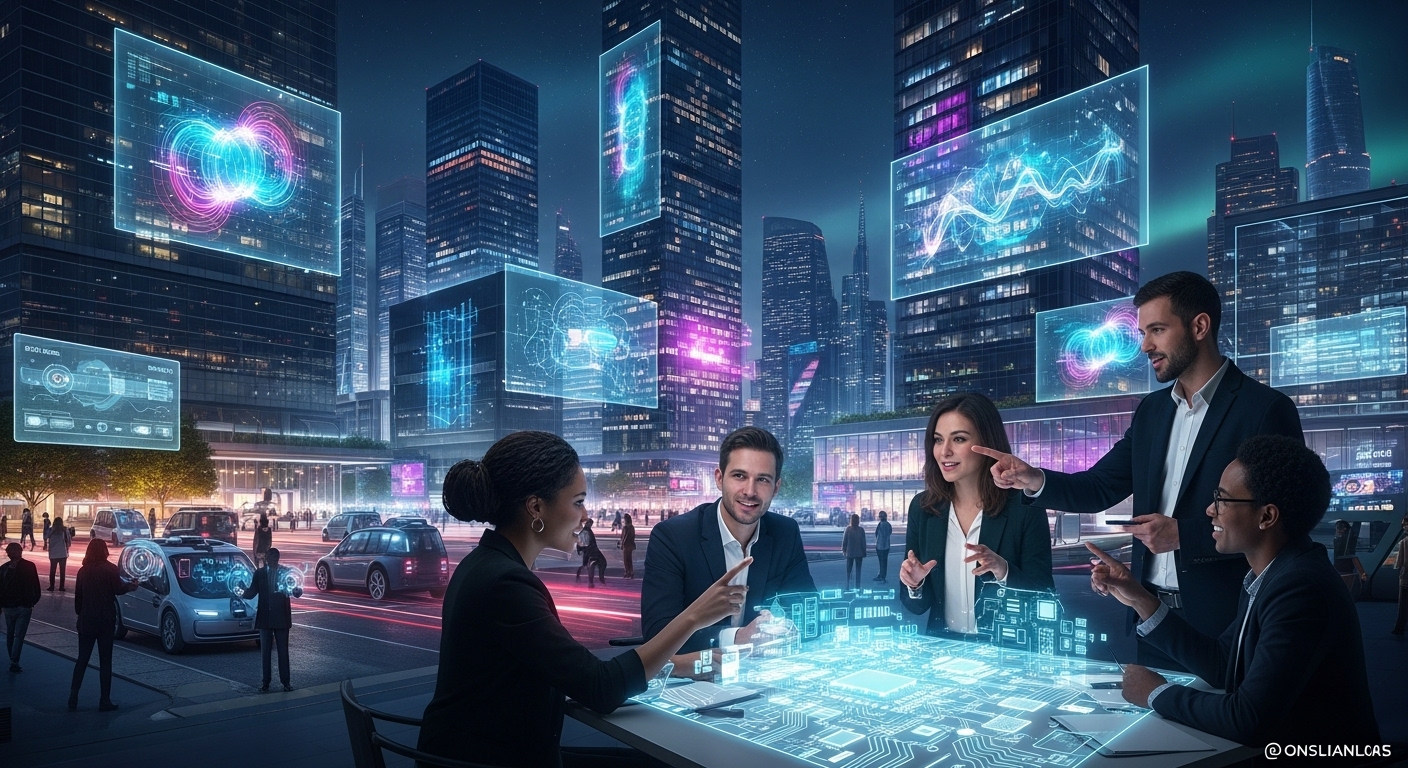
The future of technology promises further transformation. Quantum computing could revolutionize problem-solving, materials research, and encryption. Brain-computer interfaces may allow direct communication between humans and machines, enhancing cognitive capabilities. Autonomous systems, AI-driven healthcare, and fully connected smart cities are likely to become integral to daily life. As technology advances, its integration into society will deepen, presenting opportunities for innovation, collaboration, and growth. The possibilities are limited only by imagination and ethical foresight.
Conclusion
Technology has fundamentally reshaped the world, influencing every aspect of human life. From AI and robotics to cloud computing, IoT, and renewable energy, innovation continues to redefine how people live, work, and interact. Its potential extends far beyond convenience, offering solutions to global challenges, improving quality of life, and expanding human capability. Responsible use, ethical design, and continued innovation are key to ensuring technology enhances society while maintaining security, fairness, and sustainability. The digital age is not just about machines—it is about shaping a smarter, more connected, and more empowered world for generations to come.