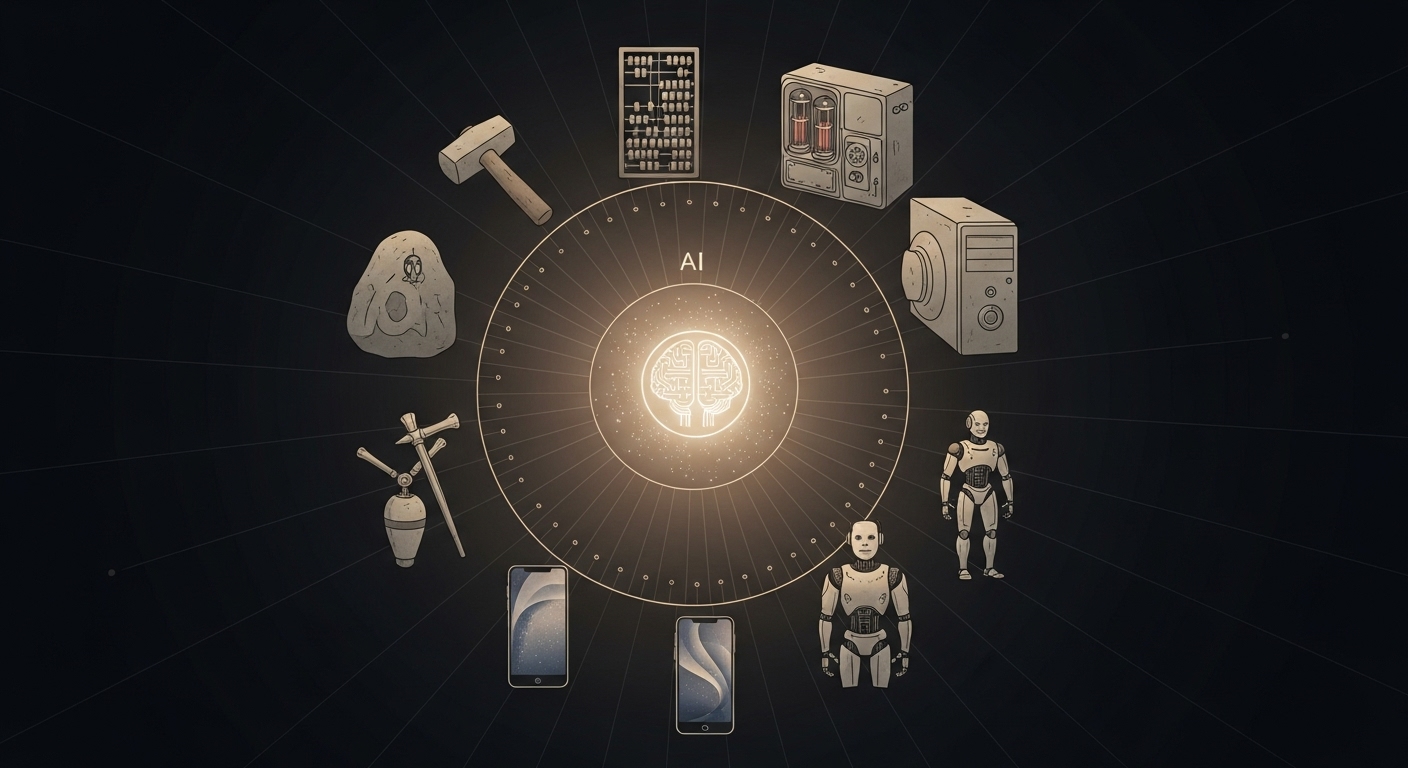
Introduction: Technology Beyond Screens
Technology is often imagined as glowing screens, powerful machines, and complex code. Yet its most profound impact today is invisible. It quietly reshapes how we think, work, learn, communicate, and even rest. Unlike past eras where innovation arrived with loud disruption, modern technology blends seamlessly into daily life. It adapts to human behavior instead of forcing humans to adapt to it. This silent transformation is not just about faster devices or smarter software. It is about redefining the relationship between humans and the systems they create.
The Shift from Tools to Companions
In earlier decades, technology functioned primarily as a tool. Computers processed data, phones made calls, and machines completed repetitive tasks. Today, technology behaves more like a companion. Smartphones anticipate needs, digital assistants respond to voices, and algorithms learn preferences over time. This shift changes how people interact with technology. Instead of issuing commands, users engage in conversations, gestures, and habits. The result is a more natural and intuitive experience that feels less mechanical and more human.
Artificial Intelligence and Everyday Decisions
Artificial intelligence has moved far beyond research labs and science fiction. It now plays a role in everyday decisions, from recommending music to optimizing traffic routes. AI systems analyze vast amounts of data in seconds, uncovering patterns that humans might miss. This ability enhances efficiency and personalization, but it also raises questions about trust and responsibility. As AI influences choices in education, finance, and healthcare, society must decide how much authority to grant machines while preserving human judgment.
The Evolution of Work in a Digital World
Work has undergone a dramatic transformation due to technology. Remote collaboration tools, cloud platforms, and automation have redefined productivity. Physical offices are no longer the sole centers of professional life. Teams now span continents, connected by shared digital spaces. At the same time, automation handles repetitive tasks, allowing humans to focus on creativity, strategy, and problem solving. This evolution demands new skills and mindsets, emphasizing adaptability, continuous learning, and digital literacy.
Learning in the Age of Unlimited Information
Education has been profoundly reshaped by technology. Knowledge is no longer confined to classrooms or textbooks. Online platforms, interactive simulations, and virtual communities provide access to learning at any stage of life. This democratization of information empowers individuals to pursue curiosity independently. However, it also requires critical thinking skills to navigate misinformation and overload. The challenge is no longer access to knowledge but the ability to interpret, apply, and evaluate it wisely.
The Human Side of Digital Communication
Technology has transformed communication from a slow, deliberate process into an instant, global exchange. Messages travel across the world in seconds, collapsing distances and connecting cultures. While this fosters collaboration and understanding, it also alters social dynamics. Tone, nuance, and empathy can be lost in digital conversations. As communication becomes more virtual, maintaining emotional intelligence and authenticity becomes increasingly important to preserve meaningful human connections.
Data as the New Foundation
Data is often described as the backbone of modern technology. Every interaction, transaction, and movement generates information. When analyzed responsibly, this data drives innovation, efficiency, and insight. Businesses optimize services, cities improve infrastructure, and researchers advance knowledge. Yet the collection and use of data introduce concerns about privacy and consent. Balancing innovation with ethical responsibility is one of the defining challenges of the digital age.
Technology and Personal Identity
Technology now plays a role in shaping personal identity. Online profiles, digital footprints, and virtual communities influence how people see themselves and how they are perceived by others. Individuals curate their digital presence, blending reality with aspiration. This can be empowering, offering space for self expression and connection. It can also create pressure to perform and compare. Understanding this dual nature is essential to maintaining a healthy relationship with technology.
The Rise of Smart Environments
Homes, cities, and workplaces are becoming smarter. Sensors, connected devices, and intelligent systems respond to human behavior in real time. Lighting adjusts automatically, energy usage is optimized, and transportation systems adapt to demand. These environments promise convenience and sustainability, reducing waste and improving quality of life. However, they also depend on complex networks that must be secure, reliable, and inclusive to benefit everyone equally.
Ethics in an Automated Future
As technology gains autonomy, ethical considerations become unavoidable. Decisions once made solely by humans are now influenced by algorithms. Questions arise about fairness, transparency, and accountability. Who is responsible when an automated system fails? How can bias be prevented in data driven decisions? Addressing these issues requires collaboration between technologists, policymakers, and society at large. Ethics must be integrated into design, not added as an afterthought.
Creativity in the Digital Era
Contrary to fears that technology stifles creativity, it often amplifies it. Digital tools enable artists, writers, and innovators to experiment with new forms and reach wider audiences. Collaboration across disciplines becomes easier, blending art with science and design with engineering. Technology does not replace human creativity but expands its possibilities. The challenge lies in using these tools intentionally rather than passively consuming what they produce.
The Balance Between Speed and Reflection
Modern technology thrives on speed. Updates are instant, feedback is immediate, and trends change rapidly. While this accelerates progress, it can also reduce opportunities for reflection. Constant connectivity leaves little space for pause and contemplation. Finding balance is essential. Technology should enhance life, not dominate it. Mindful use encourages deeper focus, better decision making, and improved well being.
Preparing for the Future
The future of technology is not predetermined. It will be shaped by choices made today. Education systems must prepare learners for roles that do not yet exist. Organizations must adopt flexible strategies that evolve with change. Individuals must cultivate curiosity and resilience. Rather than fearing disruption, society can embrace technology as a partner in solving complex problems, from climate change to global health.
Conclusion: Technology as a Mirror of Humanity
Technology ultimately reflects human values, priorities, and creativity. It amplifies intentions, whether constructive or harmful. The invisible revolution underway is not about machines replacing people but about redefining what it means to be human in a connected world. By approaching technology with awareness, ethics, and purpose, society can ensure that progress serves humanity rather than the other way around. The true power of technology lies not in what it can do, but in how wisely it is used.