Technology has always been at the forefront of shaping human civilization, driving progress, and creating new possibilities. From the dawn of the computer age to the rise of artificial intelligence (AI), we have witnessed transformative shifts that have fundamentally altered how we live, work, and communicate. The ever-accelerating pace of technological innovation continues to shape the future, promising groundbreaking advances in fields like artificial intelligence, quantum computing, biotechnology, and sustainable energy.
In this blog post, we will explore some of the most important trends and innovations currently shaping the technology landscape, as well as look ahead to what we can expect in the coming years.
1. The Rise of Artificial Intelligence
Artificial intelligence is one of the most exciting and impactful developments in technology today. AI, in its various forms, is already transforming industries across the globe. From machine learning algorithms that can predict consumer behavior to advanced natural language processing models that power chatbots and virtual assistants, AI is making tasks more efficient and intelligent.
Machine learning, a subset of AI, is driving a significant portion of these advancements. By enabling machines to learn from data and make predictions or decisions without explicit programming, machine learning is opening up new opportunities for businesses to innovate and optimize their operations. For example, AI-driven systems in healthcare can now analyze medical data and images to diagnose conditions more accurately and quickly than ever before. Similarly, in finance, AI algorithms are able to detect fraud, automate trading, and improve risk management.
But AI is not without its challenges. Ethical concerns around bias, transparency, and job displacement are major topics of discussion in both the tech industry and society at large. Ensuring that AI systems are developed and used responsibly will be one of the most important tasks for policymakers, engineers, and business leaders in the years to come.
2. Quantum Computing: The Next Frontier
While AI is currently a hot topic, quantum computing represents the next frontier in computational power. Traditional computers process information in binary form (bits), which can either be 0 or 1. Quantum computers, on the other hand, leverage the principles of quantum mechanics to process information in quantum bits, or qubits, which can exist in multiple states simultaneously.
This ability to perform many calculations at once makes quantum computing potentially far more powerful than classical computing for certain tasks. For example, quantum computers could revolutionize fields like cryptography, materials science, and drug discovery by solving complex problems that would take traditional computers millions of years to crack.
However, we are still in the early stages of quantum computing development. The hardware and algorithms required to make quantum computing practical are still being refined. Major companies, including Google, IBM, and Microsoft, are investing heavily in quantum computing research, and we may see significant breakthroughs in the next decade that bring quantum computing closer to widespread use.
3. The Growth of 5G and Connectivity
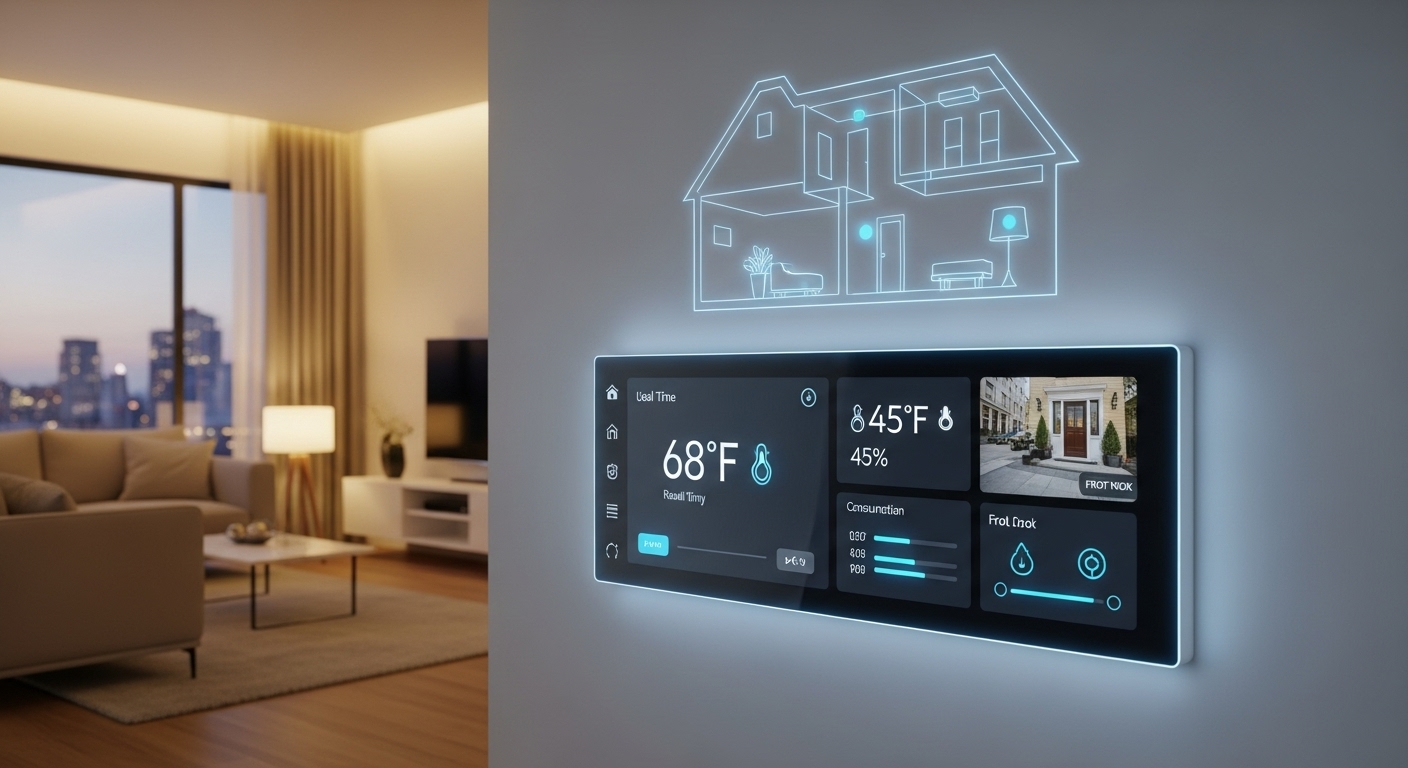
The roll-out of 5G networks is another technological trend that will have far-reaching implications. 5G promises to deliver faster internet speeds, lower latency, and more reliable connections, which will enable new technologies to thrive. For instance, the high-speed data transfer made possible by 5G will support the growing number of connected devices in the Internet of Things (IoT).
IoT refers to the network of physical devices, vehicles, appliances, and other objects embedded with sensors, software, and connectivity. With 5G, IoT devices can communicate more efficiently, which will lead to smarter homes, cities, and industries. Autonomous vehicles, for example, rely on 5G networks to exchange real-time data with infrastructure, other vehicles, and the cloud.
In addition to IoT, 5G will boost the capabilities of augmented reality (AR) and virtual reality (VR) technologies. These technologies, which require fast data transfer and minimal latency, will become far more immersive and responsive with 5G.
4. Biotechnology and Health Tech Innovations
Biotechnology is another area where technology is making dramatic strides. Advances in genetics, molecular biology, and data analytics are transforming healthcare, enabling personalized treatments, better diagnostics, and new forms of medical therapies.
One of the most groundbreaking innovations in biotechnology has been CRISPR-Cas9, a gene-editing technology that allows scientists to alter DNA with unprecedented precision. This technology has the potential to treat genetic disorders, improve agricultural practices, and create new medical treatments. Scientists are already exploring its use to correct genetic mutations that cause conditions like sickle cell anemia, cystic fibrosis, and muscular dystrophy.
Beyond gene editing, healthcare technology is also benefiting from wearable devices, health apps, and telemedicine. Devices like smartwatches can monitor heart rate, sleep patterns, and even blood oxygen levels, giving individuals and doctors real-time health data. Telemedicine, which gained traction during the COVID-19 pandemic, allows patients to consult with healthcare providers remotely, improving access to care and reducing wait times.
5. Sustainable Technology: Innovating for a Greener Future
As concerns about climate change intensify, the need for sustainable technology has never been greater. The transition to renewable energy sources, such as solar and wind power, is accelerating, and new technologies are emerging to help reduce carbon emissions, conserve resources, and promote sustainability.
One of the most promising sustainable technologies is energy storage. As more renewable energy sources are deployed, the need for efficient and affordable energy storage systems becomes crucial. Innovations in battery technology, such as solid-state batteries, are helping to improve energy storage and make renewable energy more reliable.
Electric vehicles (EVs) are also playing a critical role in reducing greenhouse gas emissions and moving away from fossil fuels. Advances in EV battery technology, charging infrastructure, and autonomous driving capabilities are all contributing to the growth of the electric vehicle market.
Additionally, smart grid technologies are helping optimize the distribution and use of energy. By integrating renewable energy sources into existing power grids, these technologies can balance supply and demand more effectively, reduce energy waste, and lower costs.
6. The Metaverse: The Next Digital Frontier
The concept of the “metaverse” has gained a lot of attention in recent years, thanks in part to companies like Facebook (now Meta) that are betting heavily on its development. The metaverse refers to a virtual universe where users can interact with each other and digital environments in real time using avatars.
While the metaverse is still in its infancy, it promises to reshape industries like gaming, entertainment, education, and social interaction. The metaverse could allow people to attend virtual concerts, collaborate on projects in virtual workspaces, or even explore digital worlds in ways that go beyond what we can imagine today.
For the metaverse to become a fully realized concept, significant advances in virtual reality (VR), augmented reality (AR), and immersive technologies are needed. Moreover, the success of the metaverse will depend on the creation of secure and open platforms where users can freely interact, transact, and build digital experiences.
7. Robotics and Automation: Redefining Work and Productivity
Robotics and automation technologies are fundamentally changing industries and how work is performed. In manufacturing, for example, robots have long been used to automate repetitive tasks like assembly and packaging. However, advancements in artificial intelligence and machine learning are enabling robots to perform increasingly complex tasks.
In the healthcare sector, robots are now being used for surgery, assisting surgeons with precision and minimally invasive procedures. In agriculture, robots are helping to harvest crops, reducing the need for human labor while increasing efficiency.
The rise of automation is also raising questions about the future of work. While automation will increase productivity and reduce costs, it will also displace some jobs, particularly in industries where tasks can be easily automated. However, new opportunities will emerge in fields like AI development, robotics engineering, and data analysis.
8. Cybersecurity: Protecting Our Digital Lives
As we become more connected and dependent on digital technologies, cybersecurity is becoming increasingly important. With the rise of cyber threats like ransomware, data breaches, and hacking, securing digital systems and protecting personal information has never been more critical.
Governments, businesses, and individuals must work together to strengthen cybersecurity defenses and ensure that sensitive data is safeguarded. Emerging technologies, such as blockchain and advanced encryption algorithms, are helping to protect data and make online transactions more secure.
Moreover, the growing use of AI in cybersecurity is enabling more proactive defense mechanisms. AI algorithms can detect and respond to cyber threats in real-time, learning from previous attacks and adapting to new tactics.
Conclusion
Technology is evolving at an exponential rate, and the future promises to bring even more groundbreaking innovations. From artificial intelligence and quantum computing to sustainable energy solutions and the metaverse, the possibilities are endless. However, with great innovation comes great responsibility. As we move forward, it will be essential to address ethical, societal, and environmental challenges to ensure that technology benefits humanity as a whole.
The coming decades will likely be defined by the convergence of different technologies, resulting in smarter, more efficient, and more interconnected systems. Embracing these changes will require adaptability, a forward-thinking mindset, and a commitment to solving the challenges that lie ahead.
As we continue to push the boundaries of what’s possible, one thing is clear: technology will remain the driving force behind human progress, shaping our world for generations to come.