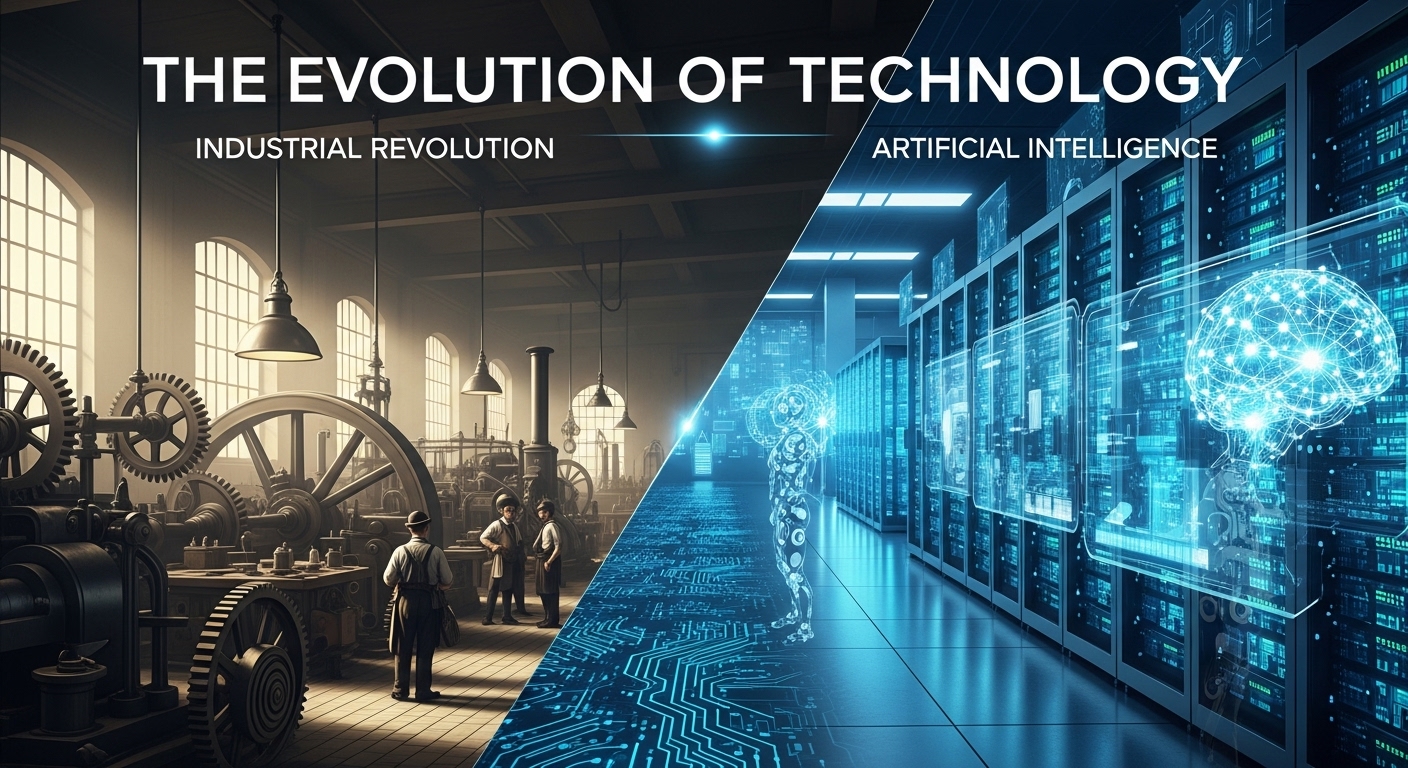
As technology evolves at a rapid pace, we find ourselves standing at the brink of a digital transformation unlike any we’ve seen before. From artificial intelligence to space exploration, the tech world is brimming with innovations that are set to disrupt industries, change how we live, and redefine the boundaries of possibility. The next decade promises to be one of incredible technological advancement, where emerging trends and game-changing solutions will shape the future of society. Let’s take a closer look at some of the most exciting developments on the horizon.
The Rise of Artificial Intelligence: More Than Just Automation
Artificial Intelligence (AI) is no longer confined to sci-fi movies or academic research. AI has entered the mainstream and is steadily reshaping industries across the globe. Initially, AI was focused on automating repetitive tasks, but now it’s evolving into a powerful tool capable of analyzing complex data, making autonomous decisions, and even enhancing human creativity.
In healthcare, AI is revolutionizing diagnostics, enabling faster and more accurate detection of diseases like cancer. In business, AI is streamlining processes, optimizing supply chains, and offering deeper insights into consumer behavior. The possibilities are vast, and the future of AI is poised to not just automate tasks but augment human intelligence, creating new ways to solve problems and innovate.
Quantum Computing: Unlocking Unprecedented Power
Quantum computing is a field that has long been seen as a theoretical dream. But recent breakthroughs are bringing us closer to realizing the power of quantum machines. Unlike traditional computers that use bits to process data, quantum computers use quantum bits, or qubits, which can exist in multiple states at once. This unique property allows quantum computers to perform calculations far beyond the capacity of current systems.
The potential applications of quantum computing are vast. In fields like cryptography, quantum machines could render current encryption methods obsolete, driving the need for new security protocols. In drug discovery, quantum computing could simulate molecular interactions, speeding up the process of finding new treatments. Quantum computing also has the power to transform industries such as energy, finance, and logistics by solving complex problems in minutes, a task that would otherwise take years.
5G: The Backbone of Future Connectivity
The rollout of 5G networks is already underway, and it promises to be a game-changer in terms of connectivity. With speeds up to 100 times faster than 4G, 5G will drastically reduce latency, enabling near-instantaneous communication between devices. This leap in connectivity will enable the next generation of innovations, from self-driving cars to smart cities and beyond.
One of the most significant advantages of 5G is its ability to support the growing Internet of Things (IoT). As more and more devices become connected, 5G will provide the infrastructure needed for these devices to communicate with each other in real time. This will lead to smarter homes, more efficient healthcare systems, and even the possibility of fully autonomous transportation systems.
The future of 5G goes beyond just faster downloads. It will open the door to new industries and experiences that were once thought to be science fiction, from augmented reality to telemedicine and beyond.
Augmented Reality: Redefining How We Experience the World
Augmented Reality (AR) is one of the most exciting technologies that is beginning to take hold across various industries. AR overlays digital information onto the real world, enhancing our perception of reality with interactive content. This could range from something as simple as adding a virtual object to your physical surroundings to more complex experiences like immersive learning or interactive shopping.
In education, AR is being used to create virtual environments that allow students to explore concepts in a hands-on way. In retail, AR enables customers to try on products virtually, from clothing to furniture, before making a purchase. In healthcare, AR is helping surgeons with real-time data and visual guidance during operations, increasing precision and reducing risks.
As the technology continues to improve, AR will become a ubiquitous part of daily life, transforming everything from how we shop to how we learn and interact with the world around us.
Blockchain: Transforming Trust and Transparency
Blockchain technology is best known for its role in powering cryptocurrencies like Bitcoin, but its applications go far beyond that. At its core, blockchain is a decentralized digital ledger that records transactions in a secure and transparent manner. This makes it particularly useful in industries that require trust, transparency, and security.
In finance, blockchain is already changing the way transactions are processed, reducing the need for intermediaries and cutting down on transaction times and costs. But blockchain’s potential goes much further. In supply chain management, it can track the movement of goods from manufacturer to consumer, ensuring authenticity and reducing fraud. In healthcare, it can provide a secure way to store and share patient records, while maintaining privacy.
Blockchain could also revolutionize voting systems by creating tamper-proof records of votes, ensuring election integrity. As blockchain technology matures, it’s likely to become a foundational component of digital infrastructure across the globe.
Renewable Energy: Tech Innovations for a Sustainable Future
Climate change is one of the most pressing challenges of our time, and the shift toward renewable energy is essential for mitigating its effects. Fortunately, technology is playing a critical role in advancing renewable energy solutions, making them more accessible, efficient, and affordable.
Solar and wind energy technologies have already made significant strides in terms of efficiency and cost-effectiveness. New developments in energy storage systems are helping to overcome the intermittency challenges of renewable sources by enabling the storage of excess energy generated during peak production times. This stored energy can then be used during periods of low generation, making renewable energy more reliable than ever before.
Additionally, smart grids and decentralized energy systems are being developed to optimize the distribution and consumption of energy. As a result, individuals and businesses can become more energy-independent, reducing their reliance on fossil fuels and contributing to a more sustainable future.
Robotics and Automation: Empowering Industries
The rise of robotics and automation is transforming industries such as manufacturing, healthcare, and logistics. Robots are increasingly capable of performing complex tasks with precision and efficiency, reducing the need for human intervention in dangerous or repetitive jobs.
In manufacturing, robots are speeding up production and improving quality control, leading to more efficient operations. In healthcare, robots are being used for minimally invasive surgeries, allowing for faster recovery times and fewer complications. In logistics, autonomous robots are already being used to deliver goods, reducing human labor and increasing efficiency in supply chains.
While automation may replace some jobs, it also holds the potential to empower workers by taking over mundane or hazardous tasks. This allows humans to focus on more strategic, creative, and high-value work, ultimately leading to increased productivity and innovation.
Conclusion: A Future Powered by Technology
The world of technology is evolving rapidly, and the innovations we are seeing today are just the beginning. As AI, quantum computing, 5G, blockchain, and other transformative technologies continue to advance, they will reshape industries, improve quality of life, and unlock new possibilities for the future.
While we embrace these technological advances, it’s essential to think critically about how we integrate them into society. As we move toward a more connected, automated, and digital world, we must ensure that these technologies are used ethically and responsibly to benefit everyone.
The next era of innovation is upon us, and the future is brighter, smarter, and more interconnected than ever before. By embracing these changes, we can harness the full potential of technology to build a better, more sustainable, and inclusive world for generations to come.