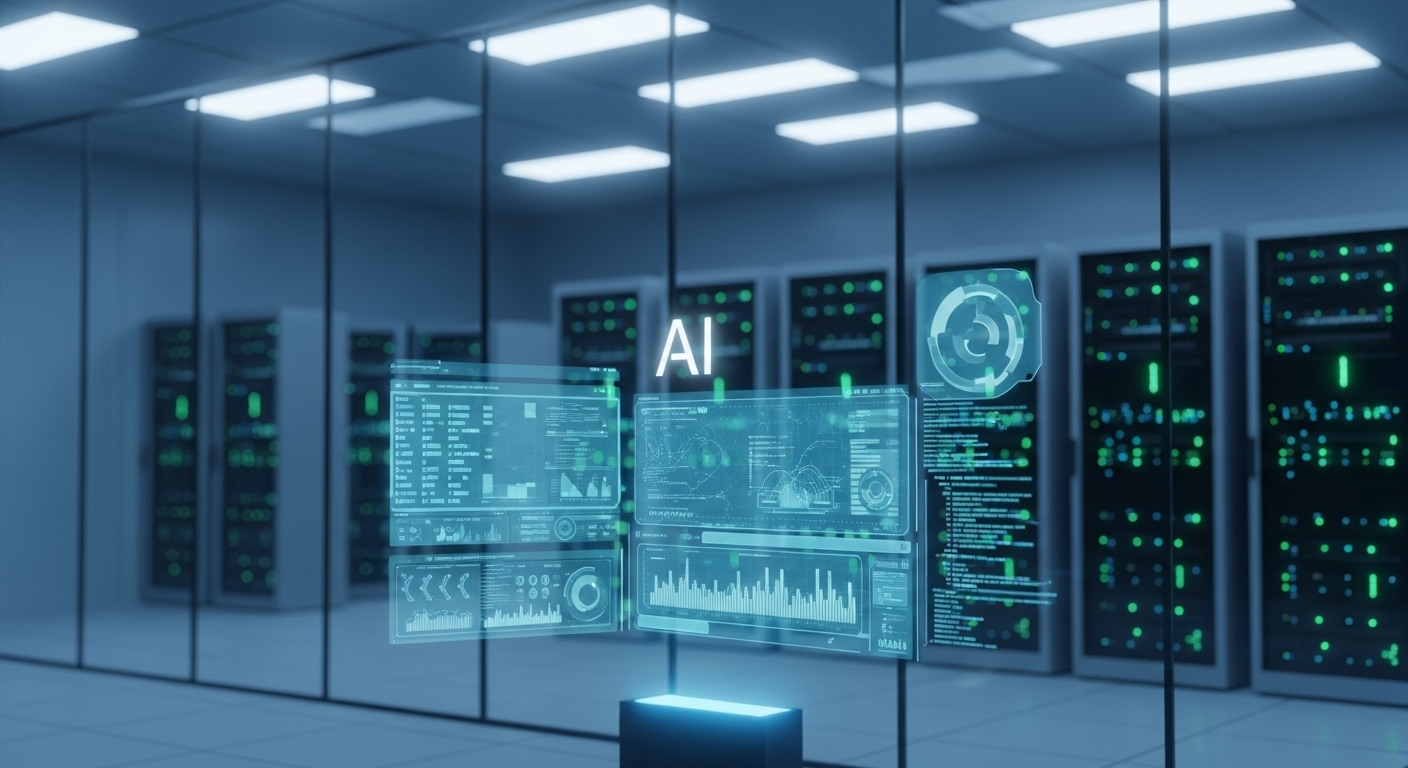
In the past few decades, technology has evolved at an astonishing rate, reshaping every corner of our lives. From the smartphones in our pockets to the AI systems powering industries, technology is not just transforming our world—it is defining the future. The digital revolution is upon us, and it’s clear that its impact will continue to grow in the coming years. In this blog post, we’ll take a closer look at the key tech innovations that are shaping our world and explore the exciting possibilities they bring.
Artificial Intelligence: The Brain Behind the Digital Age
Artificial Intelligence (AI) is one of the most influential advancements in modern technology. It has moved from being a theoretical concept in science fiction to becoming a driving force in industries ranging from healthcare to finance, and even creative arts. AI-powered systems are capable of learning from data, adapting over time, and making decisions with little to no human intervention.
In healthcare, AI is revolutionizing diagnostics and treatment planning. Machine learning algorithms can analyze medical data to detect diseases earlier than traditional methods, providing patients with more timely interventions. In finance, AI is used to predict market trends, optimize investments, and even prevent fraud. As AI continues to advance, it will likely become an integral part of everyday life, automating tasks, enhancing decision-making, and even creating new forms of creativity.
5G Connectivity: The Backbone of a Smarter World
The rollout of 5G networks is one of the most exciting developments in technology today. Offering faster speeds, lower latency, and the ability to connect more devices simultaneously, 5G promises to unlock a new era of connectivity. It will enable innovations that are currently only imagined, such as autonomous vehicles that communicate in real-time, remote surgeries that are performed with precision, and smart cities that respond instantly to environmental changes.
The impact of 5G goes beyond just faster internet speeds. With its enhanced capabilities, industries can expect smoother interactions with cloud-based services, more efficient data processing, and a new level of connectivity between devices. This will fuel advancements in IoT, artificial intelligence, and smart infrastructure, making our digital lives faster, more seamless, and highly interactive.
The Internet of Things (IoT): Building a More Connected World
The Internet of Things (IoT) refers to the growing network of physical devices, vehicles, appliances, and other objects that connect to the internet and share data with one another. These interconnected devices have the power to make our world smarter, more efficient, and highly responsive. From wearable health trackers to smart home gadgets, IoT is improving how we manage everything in our daily lives.
In agriculture, IoT sensors can monitor soil health and crop conditions, enabling farmers to make data-driven decisions about watering, fertilization, and harvesting. In cities, IoT-powered systems manage everything from traffic flow to energy usage, creating more sustainable and efficient urban environments. As IoT continues to expand, we will see even more applications in healthcare, manufacturing, and beyond, helping to create a fully interconnected world where everything is optimized for performance and efficiency.
Blockchain: Revolutionizing Data Security and Trust
Blockchain technology is most commonly associated with cryptocurrencies like Bitcoin and Ethereum, but its uses go far beyond digital currency. At its core, blockchain is a decentralized, secure ledger that allows transactions to be recorded and verified without a central authority. This makes it an ideal solution for applications that require transparency, security, and trust.
Blockchain has the potential to transform industries such as supply chain management, finance, and healthcare. For example, in supply chains, blockchain can track the journey of goods from production to delivery, ensuring that products are ethically sourced and delivered on time. In healthcare, blockchain can store patient records in a secure and transparent manner, allowing for better data sharing across institutions while protecting privacy. With its ability to ensure security and trust without intermediaries, blockchain is set to revolutionize how we store, share, and verify data.
Robotics: Changing the Future of Work and Play
Robotics has already had a profound impact on industries such as manufacturing and logistics, where machines have been performing repetitive tasks for years. But recent advancements in robotics are expanding the possibilities far beyond traditional applications. Today’s robots are becoming more autonomous, adaptive, and capable of working alongside humans in dynamic environments.
In healthcare, robots are now performing surgeries with unprecedented precision, assisting in elder care, and even delivering medications. In homes, robots are helping with everyday tasks such as cleaning, cooking, and security. On the factory floor, robots are working alongside humans, performing tasks that are either too dangerous or too repetitive for people. As robotics technology advances, it will create new opportunities in industries such as agriculture, entertainment, and even space exploration.
Ethical and Social Implications of Technological Growth
As exciting as these technological advancements are, they come with significant ethical and social considerations. From concerns about privacy to the potential for job displacement due to automation, the rapid pace of technological change raises questions about how society will adapt.
For example, AI and machine learning algorithms are only as good as the data they’re trained on. If that data is biased or incomplete, it can lead to unfair outcomes in areas like hiring, lending, and law enforcement. Similarly, as automation continues to replace jobs in certain industries, it’s crucial to ensure that workers are provided with opportunities for retraining and reskilling in the face of technological disruption.
In the realm of IoT and data security, the growing number of connected devices increases the risk of cyberattacks and data breaches. As more personal and sensitive information is shared across platforms, securing that data will become even more important to protect individuals’ privacy and prevent misuse.
Looking Toward the Future
The future of technology holds incredible promise, with new innovations emerging almost daily that have the potential to dramatically improve our lives. From AI and 5G to blockchain and robotics, these technologies are reshaping industries, improving efficiencies, and providing new opportunities. But as we look to the future, it’s essential that we continue to address the ethical, social, and environmental challenges that come with these advancements.
With responsible development and careful consideration of the implications, the tech revolution can bring about positive change for individuals, businesses, and society at large. The future is digital, and as we embrace these innovations, we can create a world that’s smarter, safer, and more connected than ever before.