Introduction: Technology as the Driving Force of Modern Life
In today’s world, technology is no longer a convenience—it is the foundation of our daily lives. From smartphones and cloud computing to artificial intelligence and smart cities, technology has redefined how we work, communicate, learn, and even think. Its pervasive influence touches every aspect of human existence, creating opportunities, efficiencies, and challenges along the way. This blog explores how technology has evolved, its impact across industries, and the innovations that are shaping the future of humanity.
The Evolution of Technology
Technology has transformed over centuries, beginning with simple tools and progressing to complex systems that drive modern civilization. Early innovations such as the printing press, telegraph, and steam engines revolutionized communication, transportation, and production. The digital era introduced computers, the internet, and mobile devices, connecting people and businesses globally.
Today, technology has become intelligent, interconnected, and autonomous. Devices can communicate with each other, analyze vast amounts of data, and even make decisions independently. This evolution highlights humanity’s continuous pursuit of efficiency, problem-solving, and innovation, and it demonstrates how deeply technology is intertwined with our daily lives.
Artificial Intelligence: Expanding Human Capabilities
Artificial intelligence (AI) is among the most transformative technologies of our time. AI systems can analyze massive datasets, recognize patterns, predict outcomes, and perform tasks once considered uniquely human.
In healthcare, AI supports accurate diagnostics, personalized treatments, and medical research. In finance, it detects fraud, forecasts market trends, and manages risk. In retail, AI optimizes supply chains and personalizes customer experiences. Machine learning, a subset of AI, allows systems to continuously improve, making AI an indispensable tool for innovation and efficiency across industries.
Automation and the Future of Work
Automation has redefined work by handling repetitive and labor-intensive tasks. In manufacturing, robots assemble products with precision and speed. In offices, software automates data management, customer service, and administrative operations.
While automation raises concerns about workforce displacement, it also opens opportunities for reskilling and new careers in robotics, AI management, and software development. The future workplace will rely on human creativity, critical thinking, and problem-solving, with intelligent machines handling routine tasks and supporting decision-making.
The Internet of Things: Connecting Everything
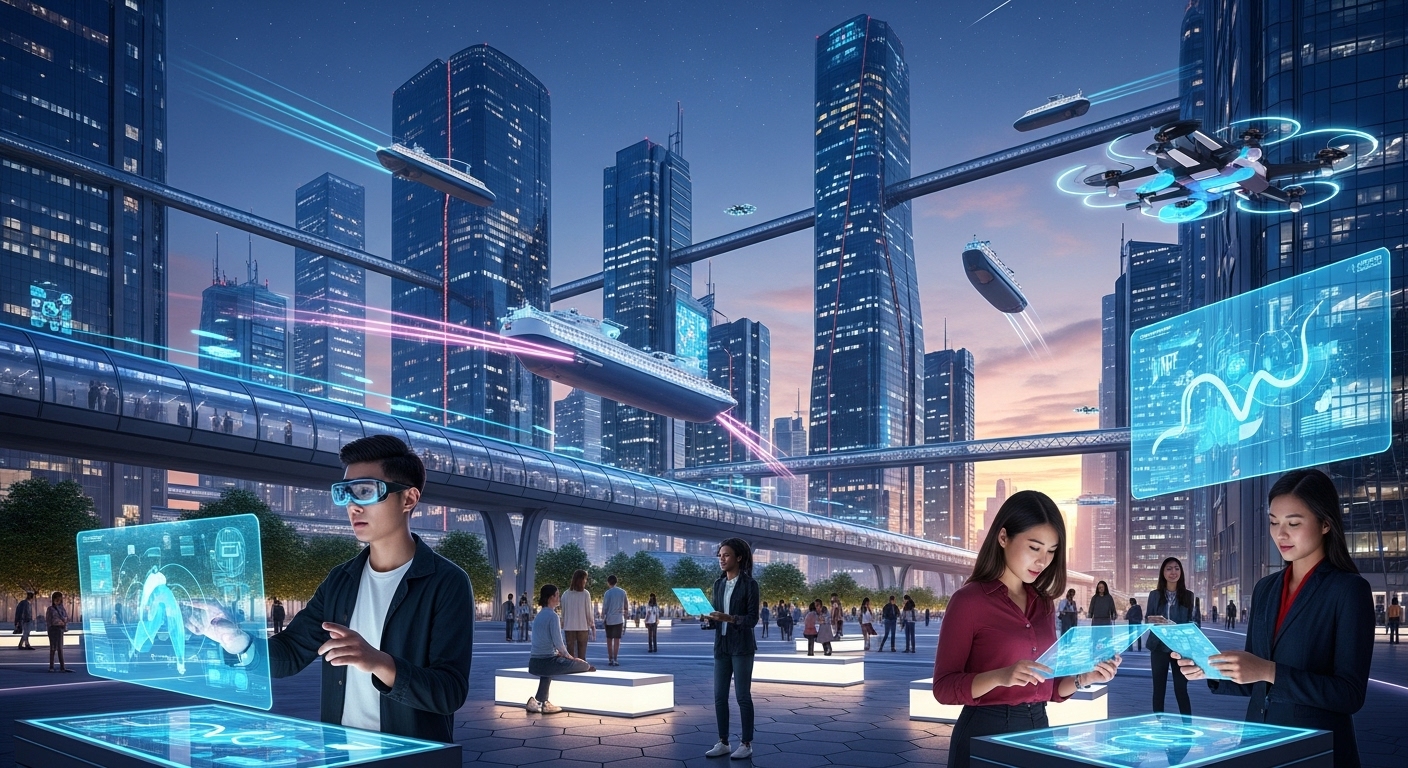
The Internet of Things (IoT) connects devices and systems, enabling them to communicate and make intelligent decisions. Smart homes allow users to control lighting, temperature, and appliances via smartphones or voice commands. Wearable devices monitor health metrics and provide real-time feedback. Smart cities leverage sensors to optimize traffic, energy use, and public services.
IoT enhances efficiency, convenience, and sustainability. The data collected from interconnected devices allows individuals and organizations to make informed decisions, conserve resources, and improve quality of life. As IoT expands, it is transforming healthcare, urban planning, transportation, and industrial processes.
Communication Technology: Shrinking the World
Advances in communication technology have redefined human interaction. High-speed internet, instant messaging, video conferencing, and social media allow people to communicate instantly across the globe. Businesses can collaborate internationally, students can access remote learning, and families can stay connected regardless of location.
The introduction of 5G networks has accelerated this transformation, providing faster speeds, lower latency, and more reliable connectivity. Innovations such as virtual reality and augmented reality rely on these networks, creating immersive experiences for work, learning, and entertainment, while enabling global collaboration like never before.
Cloud Computing: Empowering Innovation
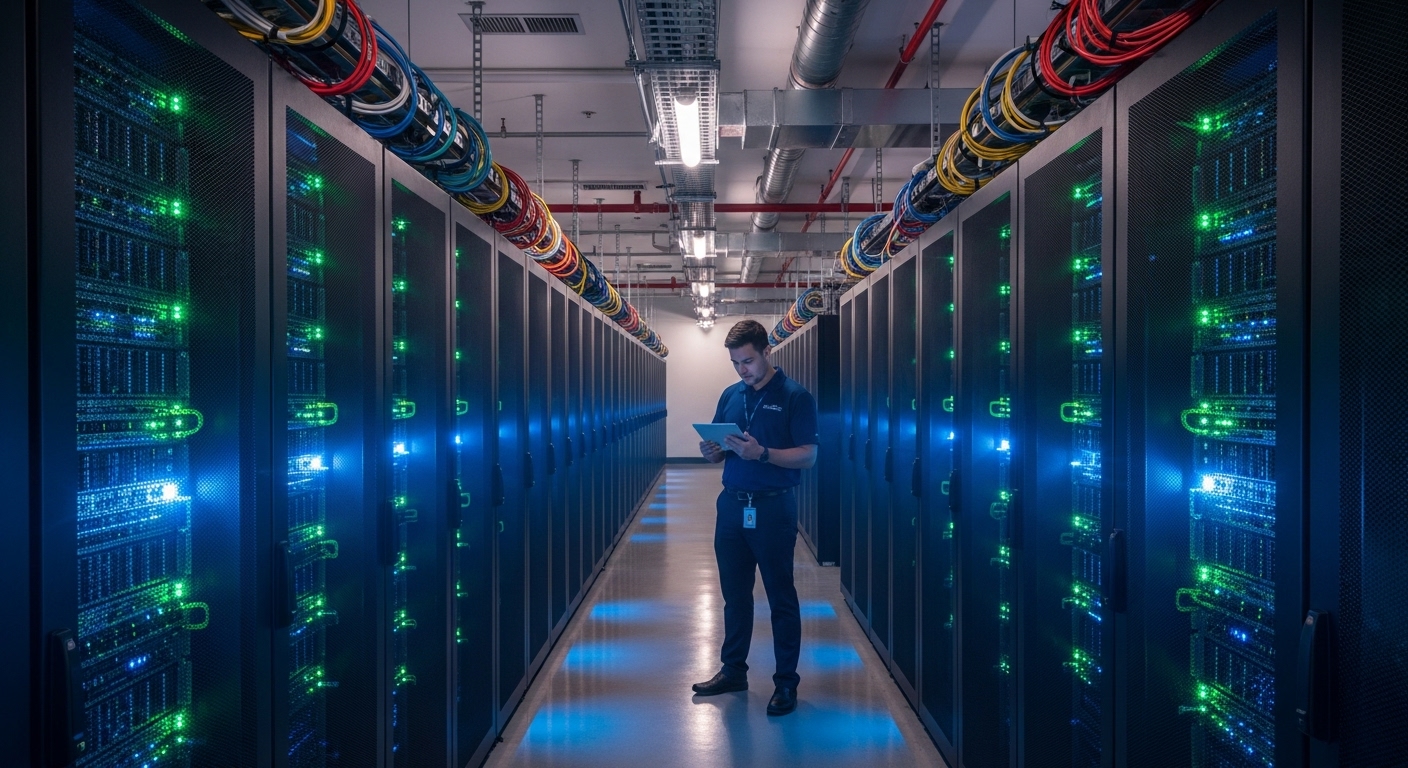
Cloud computing allows data storage, processing, and software access via remote servers instead of local hardware. This approach offers flexibility, scalability, and cost efficiency for businesses and individuals alike.
Organizations use cloud platforms to host applications, collaborate remotely, and analyze data in real-time. Educational institutions provide students with virtual classrooms and digital resources. Cloud computing serves as the backbone of modern digital infrastructure, enabling innovation, collaboration, and accessibility across industries.
Cybersecurity: Protecting the Digital World
As technology becomes deeply integrated into daily life, cybersecurity is more important than ever. Cyber threats like hacking, ransomware, and data breaches pose risks to individuals, organizations, and governments.
Effective cybersecurity measures, including encryption, firewalls, multi-factor authentication, and AI-based threat detection, are crucial. Users must practice safe online behavior, such as using strong passwords and avoiding suspicious links. Cybersecurity ensures trust, protects sensitive information, and safeguards the benefits of technology in an increasingly digital world.
Healthcare Technology: Transforming Patient Care
Healthcare has been revolutionized by technological advancements. Telemedicine allows patients to consult with doctors remotely, increasing accessibility. AI-assisted diagnostics analyze medical imaging and patient data for more accurate and personalized treatments. Wearable devices monitor vital signs and track lifestyle habits, encouraging proactive health management.
Robotic-assisted surgeries enhance precision and reduce recovery times. Big data analytics accelerates research and improves patient outcomes. Healthcare technology improves efficiency, accessibility, and accuracy, ultimately saving lives and elevating the quality of care.
Education in the Digital Era
Technology has transformed education, making learning more interactive, personalized, and accessible. Online platforms, virtual classrooms, and digital textbooks allow students to study anywhere at their own pace. Collaboration tools connect learners and educators worldwide.
AI-powered learning platforms adapt content to individual needs, helping students understand complex concepts. Teachers use analytics to track progress and design tailored instruction. Technology makes education more inclusive, flexible, and engaging, preparing students for a future that is heavily reliant on digital skills.
Consumer Technology: Enhancing Everyday Life
Consumer technology has seamlessly integrated into daily routines. Smartphones, tablets, laptops, and smartwatches combine communication, productivity, and entertainment. Voice assistants simplify tasks, smart appliances optimize home management, and wearables track health and fitness.
Continuous innovation makes consumer devices more intuitive, interconnected, and efficient. These technologies enhance convenience, improve lifestyle quality, and reflect how deeply technology influences modern living.
Sustainable Technology: Innovation with Responsibility
Sustainability is a major focus in technology development. Renewable energy, electric vehicles, and smart infrastructure reduce environmental impact. Environmental monitoring systems track pollution, climate patterns, and resource consumption, allowing data-driven solutions for global challenges.
Sustainable technology shows that innovation and environmental responsibility can coexist. By optimizing resources and minimizing ecological footprints, technology contributes to a greener, more resilient world while supporting continued growth and development.
Emerging Technologies: Shaping the Next Era
Emerging technologies continue to redefine industries, economies, and daily life. Quantum computing promises unprecedented computational power, capable of solving problems beyond current capabilities. Augmented reality and virtual reality create immersive experiences for education, entertainment, and work. Biotechnology and gene editing have the potential to transform healthcare and human capability.
These technologies offer extraordinary potential but also require ethical considerations and careful integration. Their adoption will define the next era of human innovation and societal transformation.
Ethical Considerations in Technology
As technology evolves, ethical challenges must be addressed. Data privacy, algorithmic bias, digital inequality, and responsible AI use are crucial concerns. Ethical technology ensures innovation benefits society while protecting human rights and promoting fairness.
Developers, policymakers, and users share responsibility for ethical practices. Transparency, accountability, and inclusivity are essential for trust, safety, and equitable access to technological advancements.
Conclusion: Technology as a Catalyst for Progress
Technology is more than a set of tools—it reflects human creativity, problem-solving, and ambition. From artificial intelligence and automation to IoT, cloud computing, and healthcare innovation, technology drives efficiency, connectivity, and progress.
The future depends on how responsibly and creatively we harness these tools. By embracing innovation, adapting to change, and prioritizing ethical considerations, humanity can unlock opportunities, discoveries, and transformative potential. Technology is not just shaping the present; it is building the foundation for a smarter, more connected, and advanced future.