Technology has become the driving force behind societal evolution, transforming the way we live, work, communicate, and entertain ourselves. From the invention of the wheel to artificial intelligence, technological progress has reshaped every aspect of human life. In today’s digital age, advancements occur at an unprecedented pace, influencing industries, economies, and personal experiences. This blog explores the evolution, impact, applications, and future of technology, highlighting why it is central to the modern world.
A Brief History of Technology
The journey of technology spans thousands of years, beginning with basic tools and innovations that aided survival. Early humans developed stone tools, fire, and the wheel, setting the foundation for civilization. These inventions were not merely functional; they represented the first examples of problem-solving and ingenuity, shaping how societies evolved.
The Industrial Revolution marked a major turning point in technological history. Steam engines, mechanized factories, and transportation innovations transformed economies and urban life. Scientific discoveries and engineering breakthroughs during this period laid the groundwork for modern technology.
The 20th century introduced electronics, telecommunications, and computing. The invention of the transistor, the personal computer, and the internet revolutionized communication, business, and education. These innovations accelerated globalization, connecting people and information like never before.
The Impact of Technology on Communication
One of the most significant effects of technology is its impact on communication. From telegraphs to smartphones, each advancement has brought people closer together. Social media platforms, messaging apps, and video conferencing tools allow instantaneous interaction across continents, shrinking the world into a global village.
Digital communication has transformed personal and professional relationships. Families can stay connected, businesses can collaborate remotely, and individuals can access news and information in real time. Technology has also empowered social movements, enabling communities to organize, share ideas, and raise awareness on a global scale.
However, technological communication presents challenges such as misinformation, cyberbullying, and privacy concerns. Balancing connectivity with security and ethical use is essential for maintaining the benefits of modern communication.
Technology in Healthcare
Healthcare has been revolutionized by technology, improving diagnosis, treatment, and patient outcomes. Advanced medical imaging, robotic surgery, and wearable health devices enhance precision, efficiency, and monitoring. Telemedicine allows patients to consult doctors remotely, expanding access to healthcare services and reducing travel barriers.
Artificial intelligence and big data analytics are used to predict diseases, develop personalized treatment plans, and streamline hospital management. Biotechnology and pharmaceuticals leverage technological advancements to create innovative medications and therapies.
Technology also empowers preventive care. Fitness trackers, smartwatches, and mobile health applications encourage healthy lifestyles and real-time health monitoring. As healthcare technology continues to evolve, it promises greater accessibility, affordability, and improved quality of life worldwide.
Technology in Education
Education has been transformed by technology, expanding access and improving learning experiences. Digital classrooms, e-learning platforms, and virtual reality tools provide immersive and interactive lessons, making education engaging and accessible to diverse learners.
Online resources, from video lectures to digital libraries, allow students to learn at their own pace and explore a wide range of subjects. Gamification and educational apps enhance retention and motivation, while adaptive learning algorithms personalize instruction based on individual performance.
Technology also facilitates collaboration and global learning. Students can connect with peers and experts worldwide, participate in virtual exchange programs, and engage in interdisciplinary projects that foster creativity and critical thinking.
Technology in Business and Industry
Businesses across industries leverage technology to enhance productivity, efficiency, and innovation. Automation, artificial intelligence, and data analytics streamline operations, reduce costs, and optimize decision-making. Cloud computing enables remote collaboration, secure data storage, and scalable solutions for organizations of all sizes.
E-commerce platforms and digital marketing tools have transformed consumer behavior, allowing businesses to reach global markets and personalize customer experiences. Fintech innovations, such as digital banking, cryptocurrency, and blockchain, are redefining financial transactions, trust, and security.
Emerging technologies like robotics, 3D printing, and the Internet of Things (IoT) are revolutionizing manufacturing, logistics, and supply chain management. By integrating technology, businesses can operate efficiently, innovate rapidly, and respond to market demands effectively.
Technology in Entertainment and Media
Entertainment has been reshaped by technology, offering immersive and interactive experiences. Digital streaming platforms, virtual reality, and augmented reality provide new ways to consume movies, music, and games. Video games, which blend storytelling, strategy, and interactivity, have become a mainstream form of entertainment and cultural influence.
Social media and content-sharing platforms allow creators to reach global audiences, fostering creativity and entrepreneurship. Artificial intelligence enhances production quality, personalizes content recommendations, and enables real-time audience engagement.
Live performances, concerts, and sports events benefit from technology through enhanced visuals, sound, and digital interaction, creating multi-sensory experiences that were previously unimaginable. Technology has not only expanded entertainment but also transformed it into an interactive and participatory medium.
Artificial Intelligence and Machine Learning
Artificial intelligence (AI) and machine learning are among the most transformative technological advancements of the modern era. AI systems can analyze vast amounts of data, recognize patterns, and make predictions, revolutionizing industries such as healthcare, finance, transportation, and marketing.
Machine learning algorithms enable predictive analytics, natural language processing, and autonomous systems. From voice assistants to self-driving cars, AI impacts daily life and industrial operations. AI also fosters innovation, helping researchers develop new solutions, optimize processes, and enhance decision-making.
Despite its benefits, AI poses ethical and societal challenges, including job displacement, algorithmic bias, and privacy concerns. Responsible development and regulation are essential to harness AI’s potential safely and equitably.
Cybersecurity and Digital Safety
As technology integrates into every facet of life, cybersecurity has become a critical priority. Protecting sensitive data, financial transactions, and personal information is essential in the digital age. Cyber threats, including hacking, ransomware, and identity theft, pose risks to individuals, businesses, and governments.
Advanced encryption, multi-factor authentication, and secure networks are necessary to mitigate risks. Awareness and education on safe digital practices are equally important. Cybersecurity evolves alongside technology, ensuring that innovations remain safe and reliable for users.
The Future of Technology
The future of technology promises unprecedented innovation and transformation. Emerging fields such as quantum computing, biotechnology, autonomous systems, and space exploration will redefine possibilities in science, industry, and daily life.
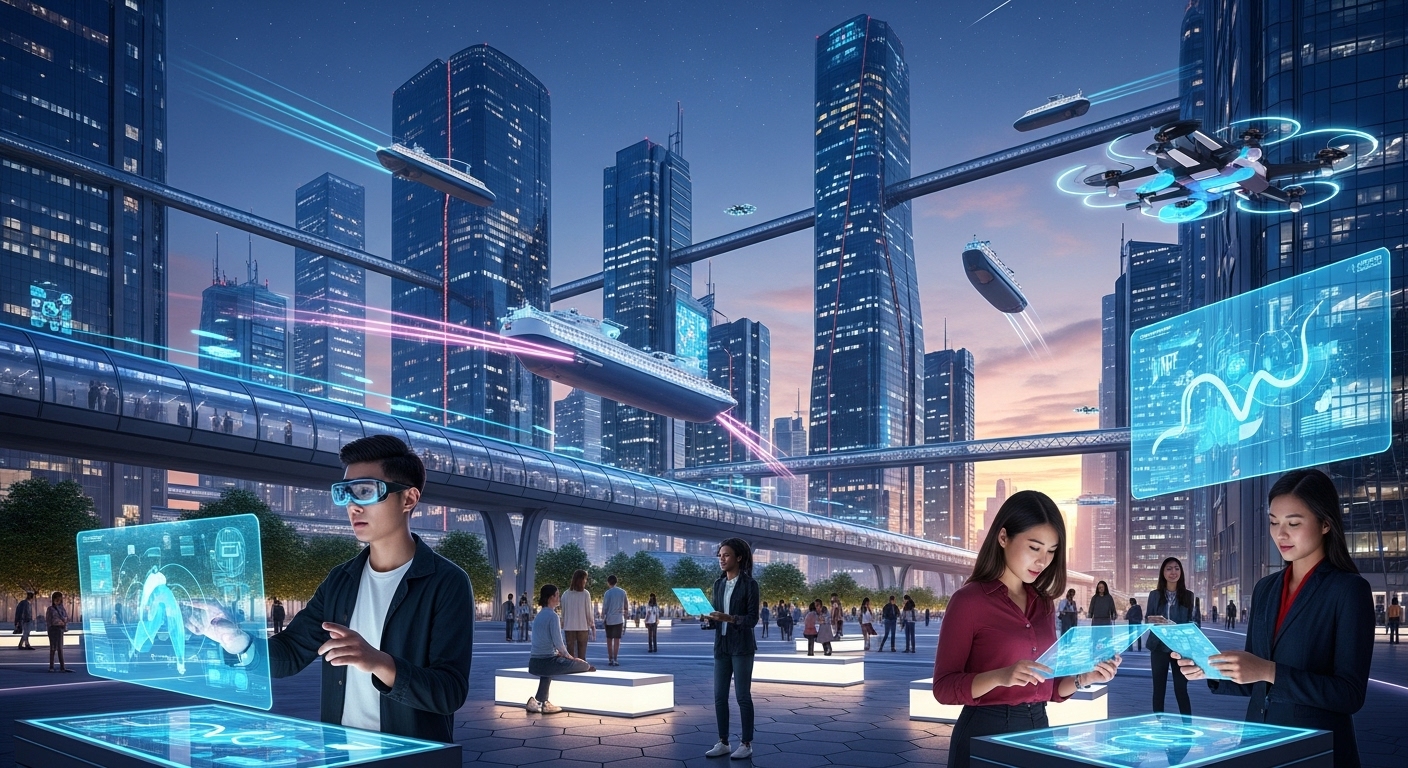
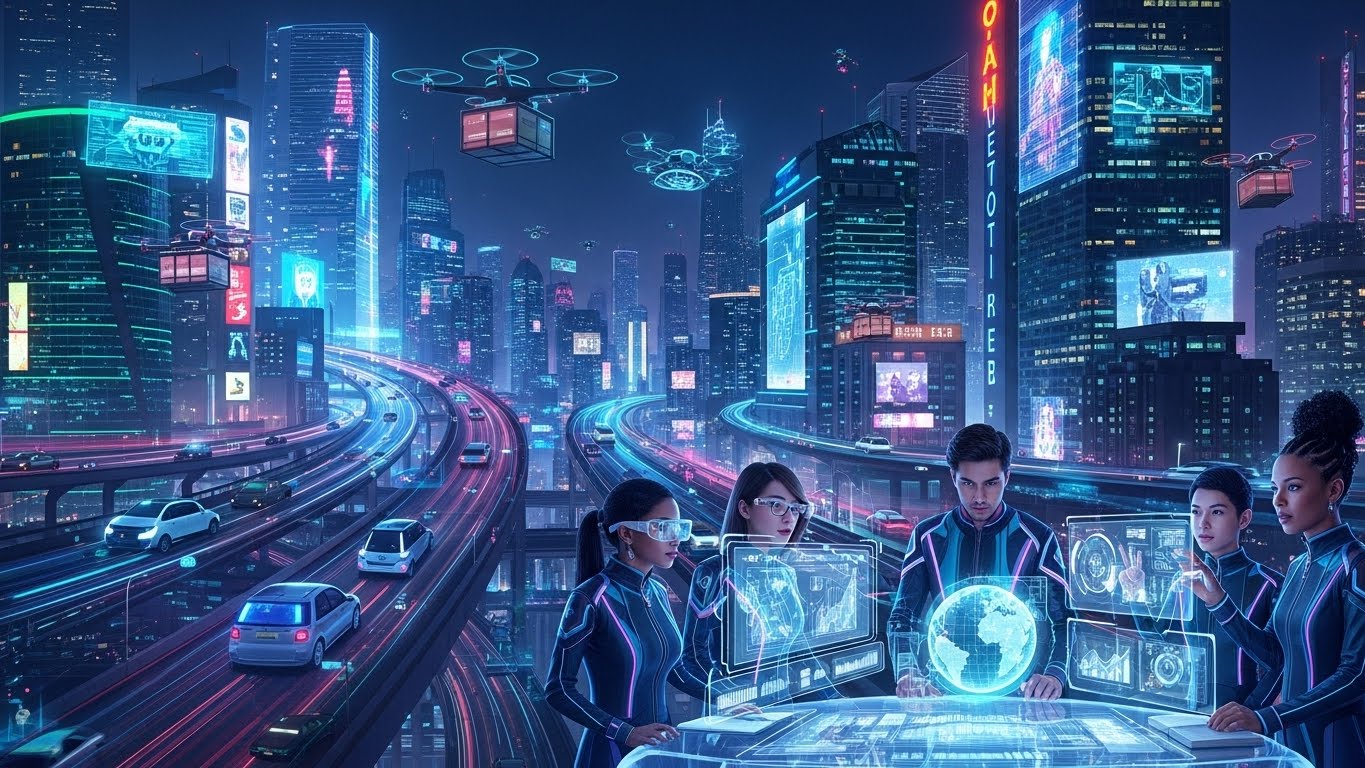
Sustainable technology and green innovations will address environmental challenges, promoting energy efficiency, waste reduction, and renewable solutions. Smart cities, IoT integration, and digital infrastructure will enhance urban living, transportation, and public services.
Ethical considerations, responsible innovation, and human-centric design will shape technology’s impact on society. As technology advances, balancing progress with social responsibility will be essential to ensure inclusive, safe, and equitable benefits for all.
Why Technology Matters
Technology matters because it shapes the way humans interact, solve problems, and innovate. It enhances efficiency, accessibility, and creativity, while driving economic growth and societal development. Technology empowers individuals to connect globally, access knowledge, and participate in the digital economy.
From healthcare to education, business, entertainment, and beyond, technology influences every aspect of life. Its ability to transform challenges into opportunities demonstrates its central role in shaping the modern world and future societies.
Conclusion: Embracing the Technological Era
Technology is not merely a tool—it is a transformative force that reshapes society, culture, and human potential. From the earliest inventions to AI and virtual reality, technology drives innovation, connectivity, and progress. It empowers individuals, enhances industries, and expands the boundaries of knowledge and creativity.
As society continues to evolve, technology will remain a cornerstone of human advancement. Responsible innovation, ethical practices, and inclusive access are key to maximizing its benefits while minimizing risks. Embracing technology with awareness and vision ensures that it continues to improve lives, create opportunities, and shape a future that is smarter, more connected, and more sustainable.