Technology often dazzles us with flashy devices, towering servers, and futuristic machines. But the most transformative innovations reshaping our world today are not always the ones we can touch or even see. They operate quietly behind screens, inside systems, and beneath the surface of our daily routines. These invisible technologies are redefining how we communicate, work, create, and live. This blog explores how these subtle yet powerful advancements are reshaping the future and why they matter more than the hardware that gets all the attention.
The Rise of Ambient Computing
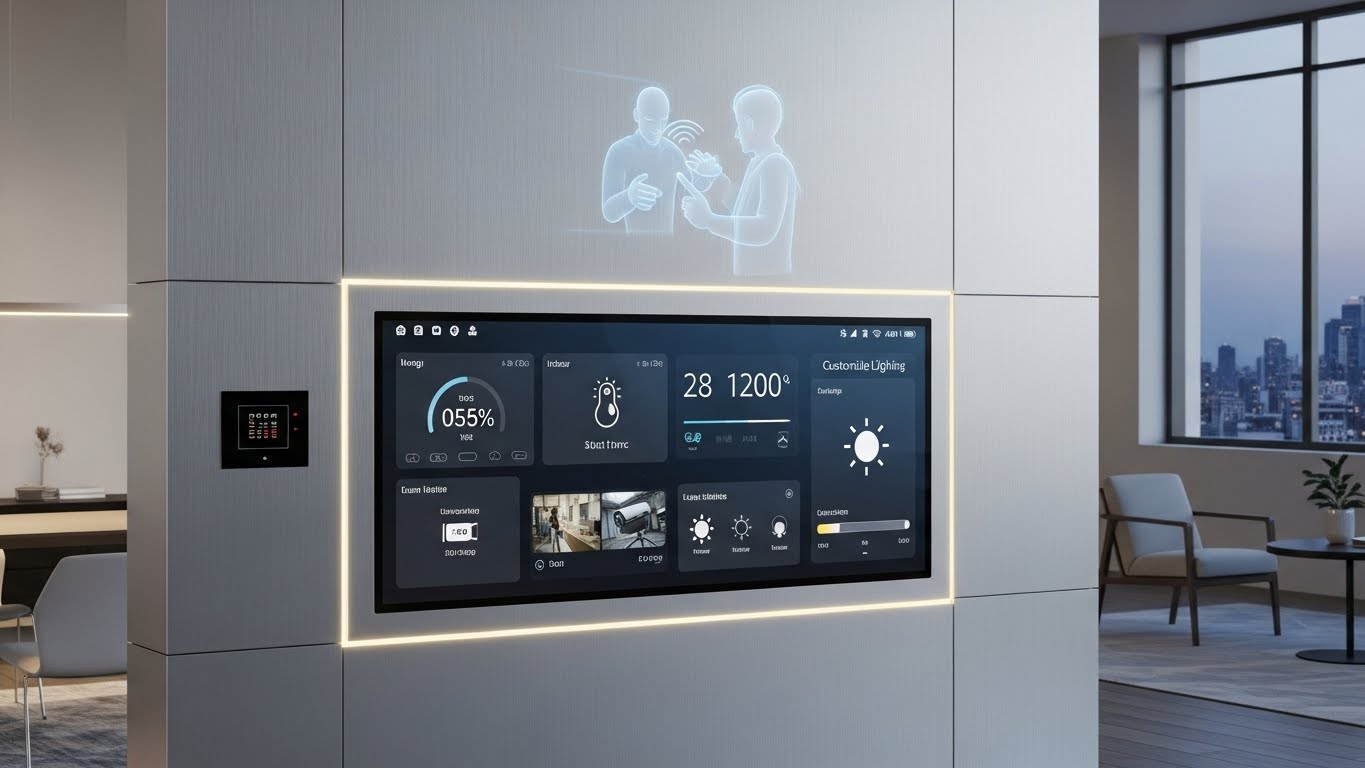
Ambient computing refers to technology that exists around us unobtrusively. It is not something we actively use like a phone or laptop. Instead, it provides seamless support in the background. Think of voice assistants that light up when you need them, predictive text that completes your thoughts, or intelligent home systems that adjust temperature and lighting without being asked.
This shift from devices to experiences is profound. Instead of focusing on what gadgets can do, we increasingly focus on what environments can do. The world becomes a smart interface and the lines between digital and physical blur. In the coming years, ambient computing is expected to become even more intuitive. Our surroundings will learn our routines, adapt dynamically, and create a more personalized world without demanding our attention.
Artificial Intelligence as the New Infrastructure
AI is no longer a standalone innovation. It is becoming a foundational layer that supports industries, systems, and decisions. Much like electricity transformed the world by powering everything from factories to homes, AI now powers algorithms, logistics, recommendations, manufacturing lines, and even creative work.
The biggest shift is that AI is beginning to operate as invisible infrastructure. We do not always see its presence, but it influences nearly everything around us. From fraud detection at banks to smart routing in transportation networks, AI quietly fine-tunes and optimizes the processes that keep modern life running smoothly.
Future advancements will make AI even more embedded. Instead of being contained in apps or devices, it will be woven into the fabric of society. This invisibility allows AI to assist without overwhelming, guiding decisions without demanding recognition.
Edge Computing: Power at the Periphery
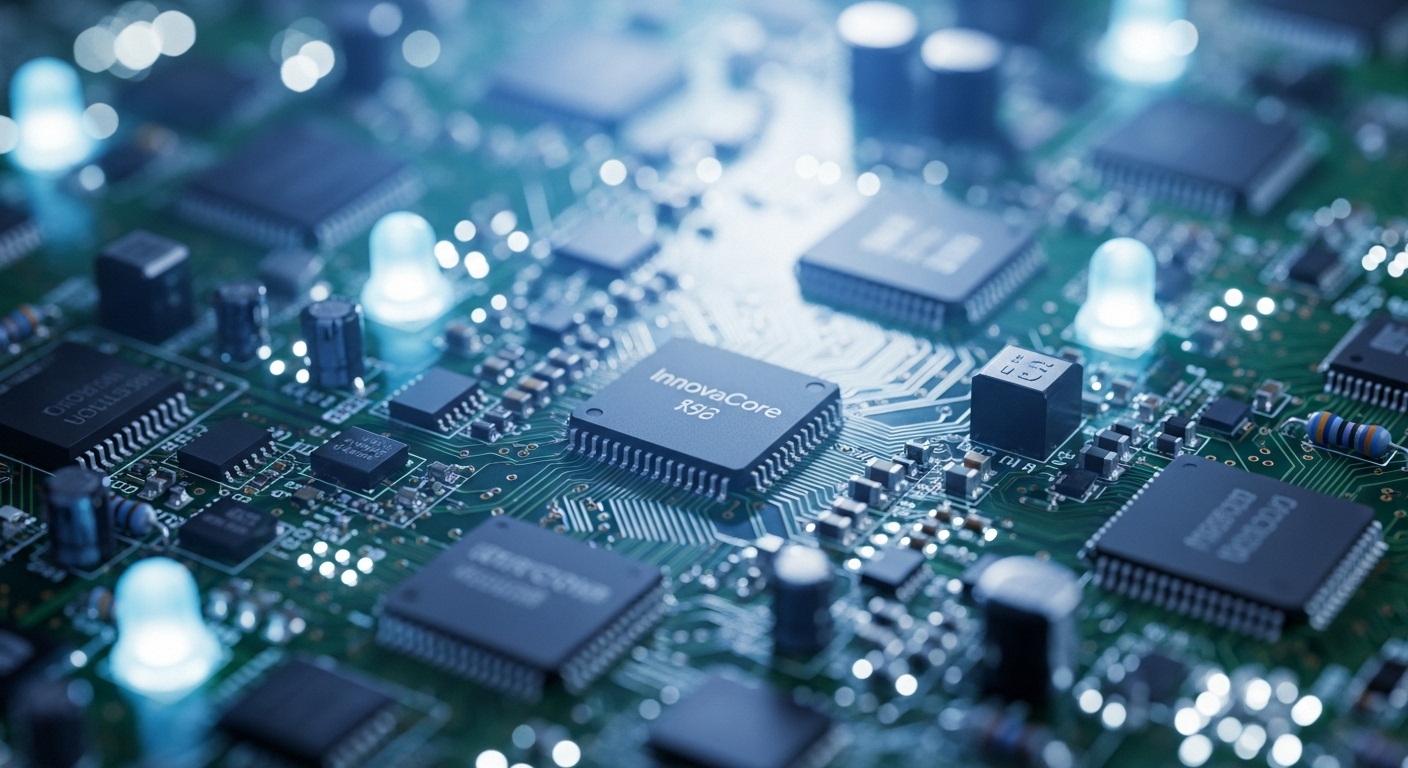
Every digital device creates a constant stream of data, and processing all of it in centralized data centers leads to delays, congestion, and inefficiency. Edge computing solves this by moving computation closer to where data is generated.
The beauty of edge computing is that it works quietly in the background. Sensors in vehicles, appliances, machines, and wearables make instantaneous decisions by processing data locally rather than sending it across the world. This reduces latency, increases reliability, and enhances privacy.
As more sectors adopt automation, edge computing will be essential. In fields like healthcare, agriculture, transportation, and manufacturing, decisions must happen instantly. Invisible networks of processors at the edge will power the next generation of intelligent systems.
The Dawn of Hyper-Personalized Experiences
Digital personalization used to mean simply showing someone content based on their past choices. Today it has evolved into something more refined. Invisible technologies now analyze patterns, behaviors, and contexts to adapt experiences on the fly.
When a music app creates a playlist that feels handpicked, or when an online service adjusts its interface to suit your habits, invisible algorithms are at work. These systems understand both who we are and what we need in specific moments.
Future personalization will move beyond simple recommendations. It will shape entire digital experiences in real time. From learning platforms that adapt to a student’s pace to health systems that anticipate wellness needs, personalization will feel less like a feature and more like a natural part of life.
Quantum Computing: Power Beyond Perception
Quantum computing is often portrayed as mysterious and complex, but its true impact lies in how quietly it will change the world once it matures. Unlike classical computing, which relies on bits, quantum systems operate on qubits that can exist in multiple states simultaneously.
This makes quantum computers extraordinarily powerful for specific tasks such as simulations, optimization, and cryptography. Yet the average person will never directly interact with a quantum machine. Instead, they will feel its influence through breakthroughs in fields such as medicine, climate science, energy efficiency, and cybersecurity.
Quantum power will be integrated into cloud platforms and scientific workflows, silently accelerating progress behind the scenes. It is the ultimate example of transformative technology operating invisibly yet impacting everything.
The Expansion of Sensor Ecosystems
Sensors are among the most underrated technologies shaping our era. They detect light, pressure, proximity, motion, temperature, and countless other variables. While tiny and often hidden, they turn physical phenomena into data that digital systems can interpret.
Every modern smart device, building, and vehicle relies on sensors. They allow machines to perceive the world in ways similar to human senses. As sensors become more precise and energy-efficient, environments will gain an even deeper awareness of their occupants and conditions.
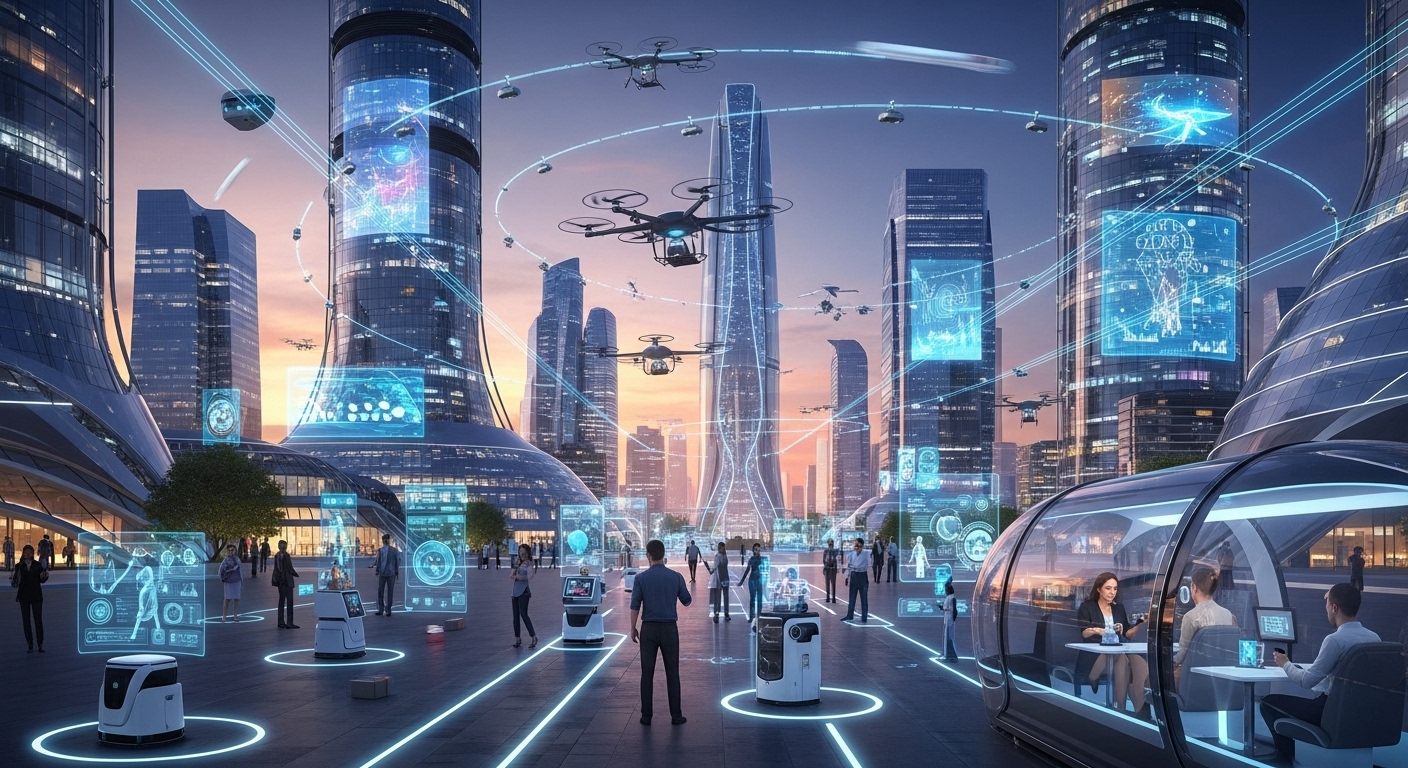
Future homes, workplaces, and cities will not just be connected — they will be perceptive. Invisible sensor networks will enable automation, sustainability, and safety at unprecedented levels.
Cybersecurity Becoming Quietly Proactive
The digital world faces rising threats, but the future of cybersecurity lies not in visible alerts or disruptive warnings. Instead, modern systems focus on silent detection, prevention, and mitigation. By the time a user encounters a security incident, most of the defensive layers have already acted.
Invisible firewalls, encryption protocols, anomaly detectors, and zero-trust frameworks work constantly in the background. They identify unusual patterns, isolate risks, and neutralize threats without users ever knowing something happened.
As cyber threats evolve, cybersecurity will become more anticipatory. AI-driven defenses will predict attacks before they happen, making digital safety feel natural rather than intrusive.
The Human-Tech Harmony Ahead
The most important outcome of invisible technologies is that they allow humans to focus on creativity, empathy, problem-solving, and innovation rather than on operating complex machines. When technology fades into the background, human experience comes to the forefront.
We are moving toward a world where the most powerful tools do not necessarily demand attention. They empower quietly, enable seamlessly, and enrich lives without fanfare. This harmony between humans and technology represents the next stage of digital evolution.
Conclusion: The Future Is Quietly Transformative
The most profound advancements of our time are not the loud, attention-grabbing ones. They are the technologies that operate invisibly, enhancing our lives in subtle but impactful ways. From ambient computing and AI infrastructure to edge networks and predictive security, these innovations are reshaping our world with minimal disruption and maximum benefit.
As we step further into this silent revolution, we will find that the technologies gaining the most influence are those we rarely notice. They do not seek to replace human presence but to support it. They do not require constant input but provide constant value.
The future of technology will be defined not by what we see but by what works quietly behind the scenes, empowering a smarter, more seamless, and more human-centered world.