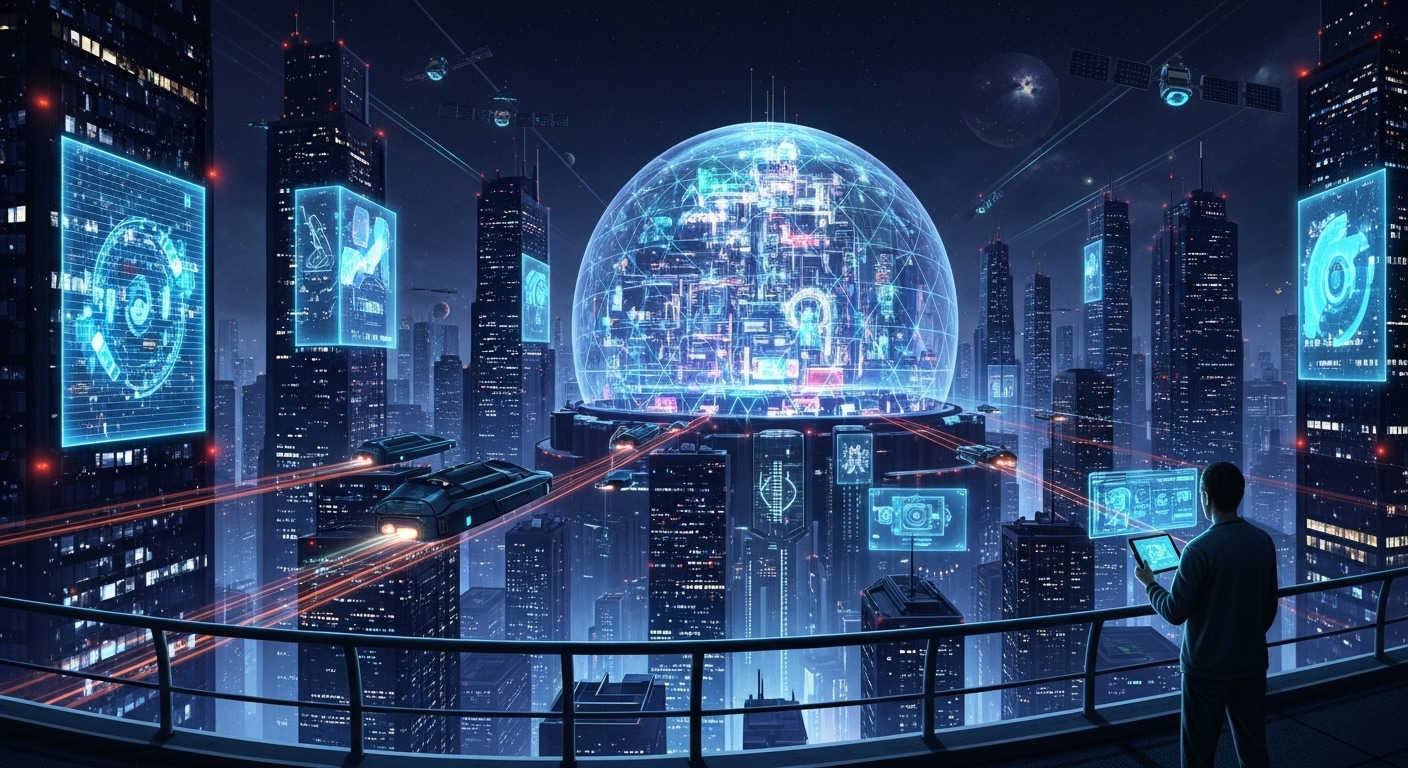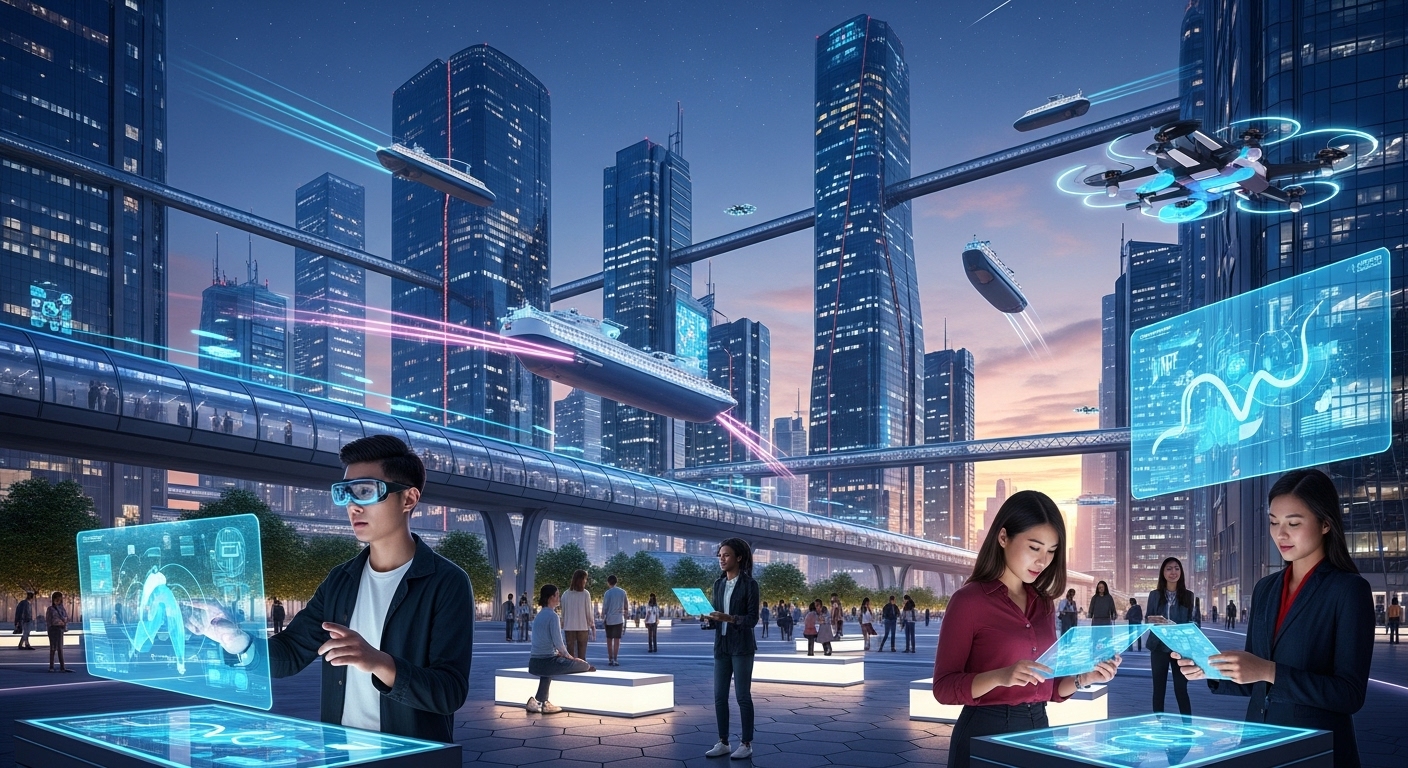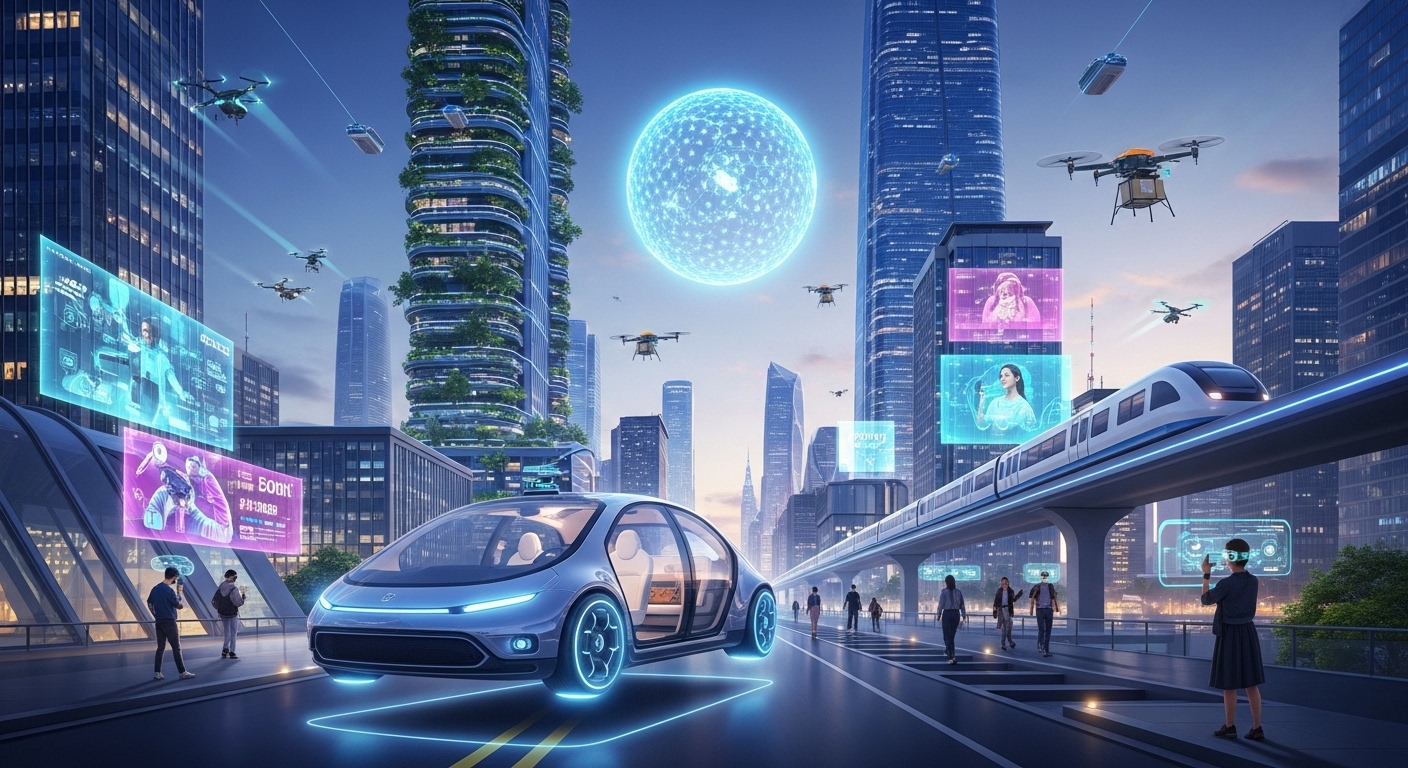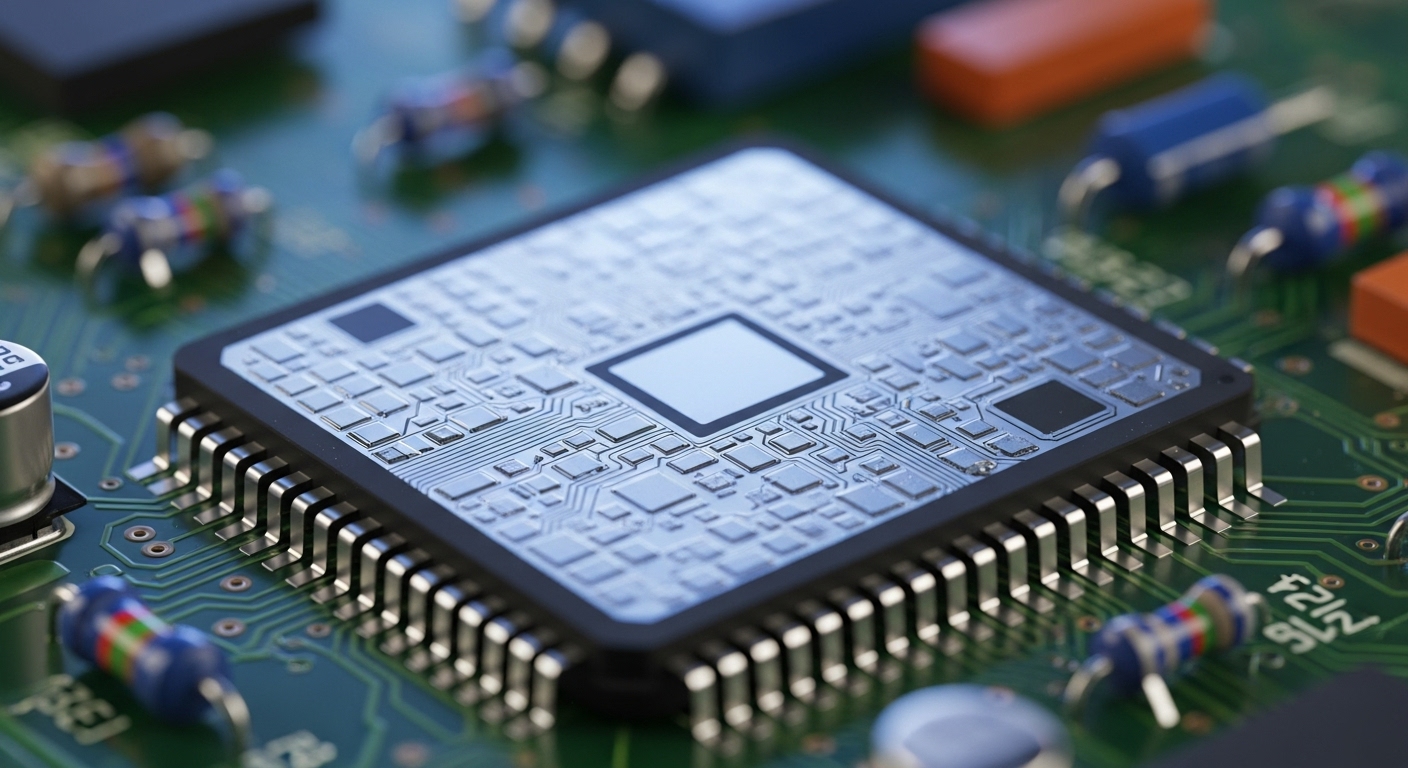
Technology has always been at the forefront of human progress. From the invention of the wheel to the internet revolution, every technological breakthrough has redefined the way humans live, work, and communicate. Today, we are entering an era of unprecedented technological transformation, driven by artificial intelligence, automation, the Internet of Things, advanced computing, and emerging innovations such as augmented reality and brain-computer interfaces. These technologies are reshaping industries, societies, and individual lives in profound ways. This blog explores the key trends shaping the technological landscape, their impact, and the opportunities and challenges they present.
Understanding Artificial Intelligence
Artificial Intelligence, or AI, is the foundation of modern technological advancement. AI refers to computer systems capable of performing tasks that traditionally required human intelligence, such as learning, reasoning, decision-making, and problem-solving. AI is no longer limited to research labs; it has permeated daily life and business operations, offering efficiency, predictive capabilities, and innovative solutions.
AI in Daily Life
AI is present in everyday technologies, often in ways that go unnoticed. Virtual assistants respond to voice commands, schedule appointments, and provide personalized recommendations. Streaming services analyze viewing behavior to suggest content tailored to individual preferences. In healthcare, AI examines medical data to help doctors diagnose diseases, identify treatment options, and predict patient outcomes. These AI-driven applications save time, improve accuracy, and make complex tasks more manageable for humans.
AI in Industry
Industries across the globe are being transformed by AI. In finance, AI algorithms detect fraud, manage risks, and optimize investment strategies. Manufacturing relies on AI for predictive maintenance, quality control, and efficiency optimization. Agriculture benefits from AI-powered monitoring systems that analyze soil health, predict crop yields, and automate irrigation. By leveraging AI, companies can innovate faster, reduce costs, and improve productivity.
Automation: Redefining Work and Efficiency
Automation is not just about robots on factory floors; it now spans software, logistics, creative industries, and business processes. Automation involves the use of technology to perform repetitive or structured tasks with minimal human intervention, improving efficiency and reducing errors.
Automation in the Workplace
Automation is transforming the modern workplace by taking over routine tasks such as data entry, reporting, and scheduling. In logistics, automated warehouses and delivery systems enhance speed and accuracy, while autonomous vehicles are gradually reshaping transportation networks. Automation allows employees to focus on higher-value tasks, such as strategy, innovation, and problem-solving.
Automation in Creativity
Automation is also entering creative domains. AI-generated music, art, and writing demonstrate that machines can augment human creativity. Rather than replacing human creators, automation serves as a collaborative tool, enabling artists, designers, and writers to explore new possibilities and expand their creative horizons.
The Internet of Things: Connecting the World
The Internet of Things, or IoT, is a network of connected devices that collect, exchange, and analyze data. IoT is not limited to smart homes—it spans industrial applications, healthcare, transportation, and urban infrastructure, creating a seamlessly interconnected ecosystem.
Smart Homes and Cities
IoT technology enables smart homes where devices communicate to improve convenience, security, and energy efficiency. Thermostats learn user preferences, lights adjust automatically, and appliances can be monitored remotely. At a larger scale, smart cities leverage IoT to manage traffic, monitor pollution levels, and optimize public services, enhancing quality of life and reducing resource consumption.
Industrial and Healthcare Applications
In industries, IoT devices monitor equipment performance, track inventory, and provide real-time analytics for better decision-making. In healthcare, wearable devices monitor vital signs, track activity, and transmit data to medical professionals. This technology enables proactive healthcare, early detection of medical issues, and remote patient management, improving overall health outcomes.
Cybersecurity in a Digital World
As technology becomes increasingly integrated into our lives, cybersecurity is more important than ever. The rise of AI, IoT, and cloud computing has created complex networks that are vulnerable to cyberattacks, making protection of data and systems a top priority.
Evolving Threats
Cyber threats are growing in sophistication. AI-powered malware can adapt to bypass security measures, while phishing attacks exploit human behavior. The interconnected nature of IoT devices means that a single vulnerability can compromise entire systems, affecting businesses, governments, and individuals.
Strengthening Digital Defenses
Organizations are adopting AI-driven cybersecurity tools, encryption methods, and continuous monitoring systems to counter threats. Individuals can protect themselves through strong passwords, two-factor authentication, and awareness of online security practices. Robust cybersecurity strategies are essential for safeguarding digital infrastructure in a connected world.
Ethical Considerations in Emerging Technologies
With great technological power comes great responsibility. AI, IoT, and automation raise ethical questions related to fairness, privacy, and sustainability.
Bias and Fairness
AI systems can inherit biases from the data they are trained on, potentially leading to unfair outcomes in hiring, lending, and law enforcement. Ensuring transparency, accountability, and fairness in AI algorithms is crucial for ethical technology use.
Environmental Impact
The rapid growth of technology has environmental consequences, particularly due to energy-intensive data centers, cryptocurrency mining, and high-performance computing. Sustainable practices, such as energy-efficient hardware, green cloud computing, and responsible recycling, are vital to reducing the environmental footprint of technology.
Emerging Technologies Shaping the Future
The next wave of technological advancements promises to be transformative. Quantum computing, augmented reality, virtual reality, and brain-computer interfaces are on the horizon, offering new possibilities for industries and individuals alike.
Quantum Computing
Quantum computing leverages the principles of quantum mechanics to solve problems that are impossible for classical computers. Applications include complex simulations in chemistry, material science, and medicine, as well as optimization in logistics and finance. Quantum computing represents a major leap in computational power and problem-solving potential.
Augmented and Virtual Reality
Augmented reality (AR) overlays digital information onto the physical world, enhancing education, navigation, and design. Virtual reality (VR) creates fully immersive environments for training, entertainment, and remote collaboration. These technologies are changing the way humans interact with digital content and the world around them.
Brain-Computer Interfaces
Brain-computer interfaces (BCIs) allow direct communication between the human brain and machines. BCIs have applications in healthcare, enabling individuals with disabilities to control devices, and in education, entertainment, and productivity. This technology could redefine the boundaries between humans and machines, creating new ways to interact with technology.
Preparing for a Technological Future
Adapting to the rapid pace of technological change requires continuous learning, adaptability, and ethical awareness. Education systems must equip individuals with digital literacy, critical thinking, and problem-solving skills. Organizations should foster innovation while implementing policies to protect privacy, security, and public well-being.
Embracing technology responsibly ensures that its benefits are maximized while potential risks are minimized. The key lies in balancing innovation with ethics, security, and sustainability.
Conclusion: Embracing Intelligent Transformation
We are living in a time of extraordinary technological progress. AI, automation, IoT, and emerging technologies are transforming industries, cities, and daily life. These innovations offer immense opportunities for improving productivity, creativity, and quality of life, but they also bring challenges related to ethics, security, and sustainability.
By adopting technology thoughtfully and responsibly, society can harness its potential to enhance human capabilities, solve complex problems, and create a better future. The age of intelligent innovation is here, and it is shaping a world where technology and humanity advance together.
The future is now, and how we navigate this era of rapid technological transformation will determine the opportunities and challenges of tomorrow.